Sometimes there is not enough visible tooth structure above the gum line to complete a restoration properly. In other situations, a person may feel that excessive gum tissue makes the teeth appear shorter than expected. These concerns can have very different causes, yet both may lead to a discussion about Crown lengthening.
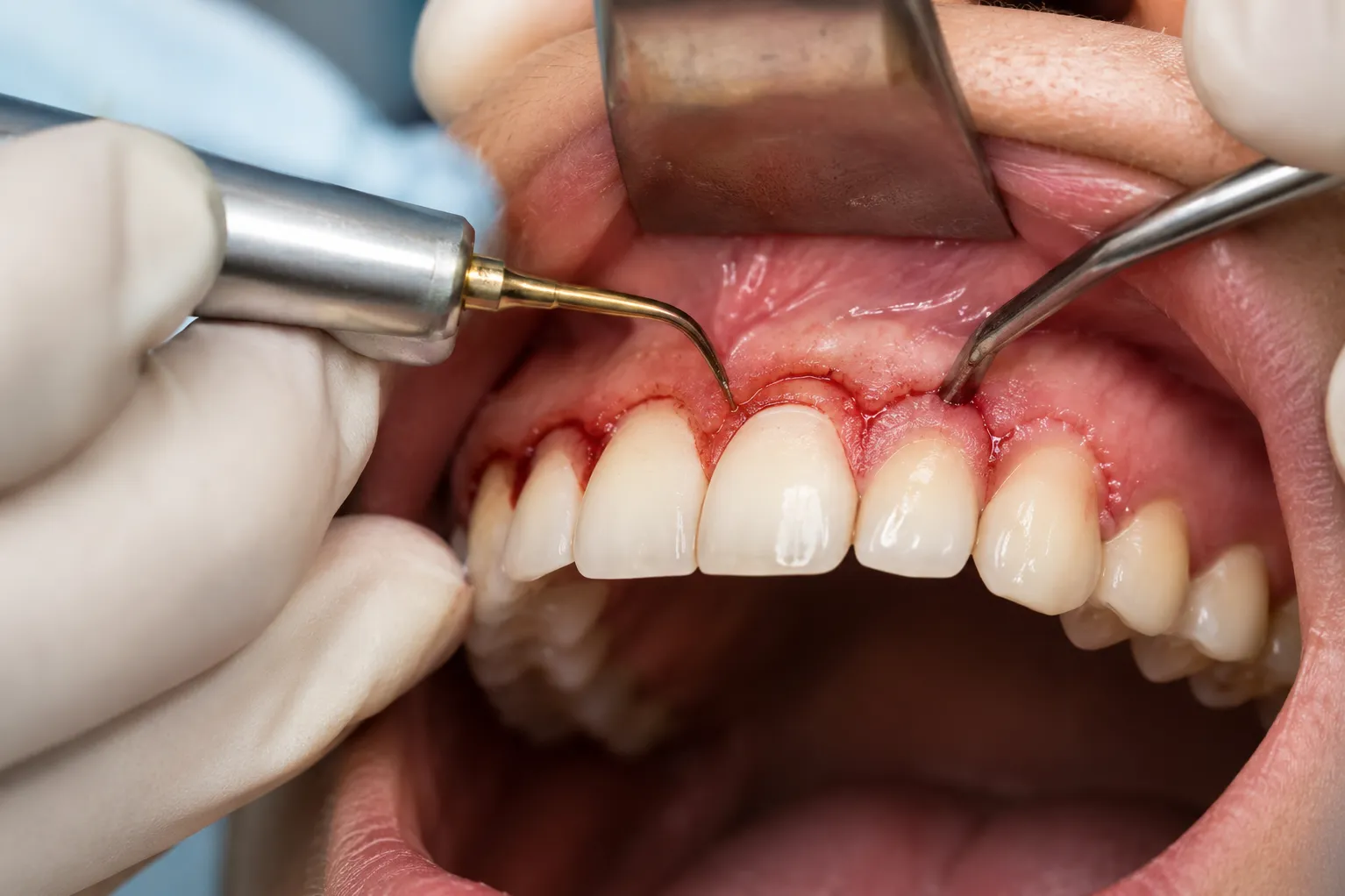
The procedure involves carefully modifying gum tissue and, in selected cases, the supporting bone around a tooth to expose more of its structure.
For dental patients in Madhura Nagar, Hyderabad, understanding why this procedure is recommended is more useful than viewing it purely as a cosmetic treatment.
Why More Tooth Structure May Be Needed
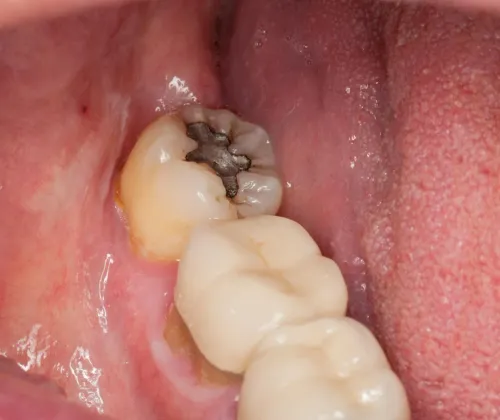
A tooth can become difficult to restore when damage extends close to or beneath the gum line.
This may occur because of:
- Deep tooth decay
- A fractured tooth
- An old restoration that has failed
- Limited remaining tooth structure
- Damage extending beneath the gum margin
A crown or filling needs an appropriate foundation. If the healthy tooth structure needed for restoration is inaccessible, the dentist may consider procedures that improve access.
Crown Lengthening for Restorative Dentistry
In restorative cases, the purpose is usually to expose enough healthy tooth structure so that the dentist can properly access, prepare, and restore the tooth.
This can also help create a restoration margin that can be cleaned effectively.
However, crown lengthening is not appropriate for every severely damaged tooth. The dentist needs to consider root length, bone support, neighbouring teeth, aesthetics, tooth position, and whether preserving the tooth provides a predictable functional outcome.
Crown Lengthening for Smile Appearance
Some people naturally display more gum tissue when smiling, making otherwise normal teeth look comparatively short.
If excess gum coverage contributes to the appearance, reshaping the gum line may improve visible tooth proportions in carefully selected cases.
Before cosmetic treatment, it is important to identify why the teeth look short. Tooth wear, altered eruption, tooth position, jaw relationships, and lip movement can also influence the smile.
What Happens Before the Procedure
Assessment may include examination of:
- Gum health
- Tooth structure
- Bone levels
- Dental X-rays
- Existing crowns or fillings
- Smile line
- Tooth-to-gum proportions
- Future restorative requirements
Treatment planning becomes particularly important when the procedure involves a front tooth because small changes to the gum line can affect smile symmetry.
Healing Is Part of the Treatment
The gum tissue needs time to heal following crown lengthening. When the procedure forms part of crown treatment, the dentist may recommend waiting for appropriate tissue healing before completing the definitive restoration.
The exact sequence varies according to the extent of the procedure and the tooth being treated.
Patients should follow instructions regarding cleaning, food choices, medications when prescribed, and follow-up appointments.
Why Gum Health Matters
Inflamed or unhealthy gums can complicate restorative and cosmetic treatment. Establishing healthy tissues before definitive dental work often makes the final result easier to maintain.
At Sri Krishna Multispecialty Dental and Implant Studio, assessment of tooth structure, periodontal health, and restorative needs can help determine whether crown lengthening has a useful role in an individual treatment plan.
For patients in Hyderabad, this is particularly relevant when they have been told that a damaged tooth has insufficient visible structure for a crown.
Crown lengthening is therefore not simply about making a tooth look longer. In many cases, it is a carefully planned periodontal procedure that creates better access to tooth structure and supports subsequent restorative treatment.
Keywords