Jaw discomfort can affect eating, speaking, yawning, sleep, and everyday concentration. Some people experience clicking near the jaw joint, while others develop muscle tightness, headaches, limited mouth opening, or discomfort around the face and ears.
Because these symptoms can have several causes, Snap-Functional Therapy for TMJ should be considered within a broader assessment rather than as an automatic solution for every jaw complaint.
For patients in Madhura Nagar, Hyderabad, understanding this distinction is particularly important before beginning appliance-based management.
TMJ Problems Are Not All the Same
The temporomandibular joints connect the lower jaw to the skull. These joints work together with muscles, ligaments, teeth, and the bite.
Symptoms associated with temporomandibular disorders may include:
- Jaw pain
- Clicking or popping
- Facial muscle tenderness
- Difficulty opening the mouth
- Pain during chewing
- Jaw fatigue
- Headaches in some patients
- Episodes of jaw locking
The presence of a click alone does not necessarily mean that extensive treatment is required.
Why Diagnosis Matters Before Appliance Therapy
Jaw pain can arise from muscle overactivity, clenching, grinding, joint-related changes, trauma, bite-related factors, and other conditions.
A dentist may therefore review the history of symptoms and examine jaw movement, muscles, joints, teeth, and bite.
Imaging may be considered when clinically indicated.
Without identifying the likely source of symptoms, selecting an appliance purely on the basis of jaw pain can lead to inappropriate expectations.
Understanding Functional Appliance Approaches
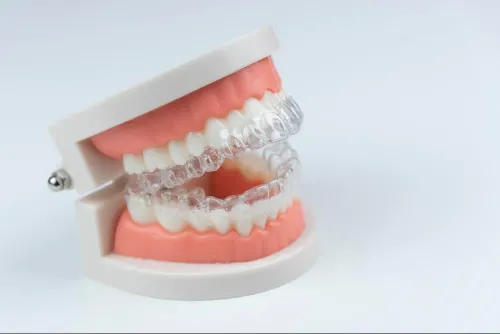
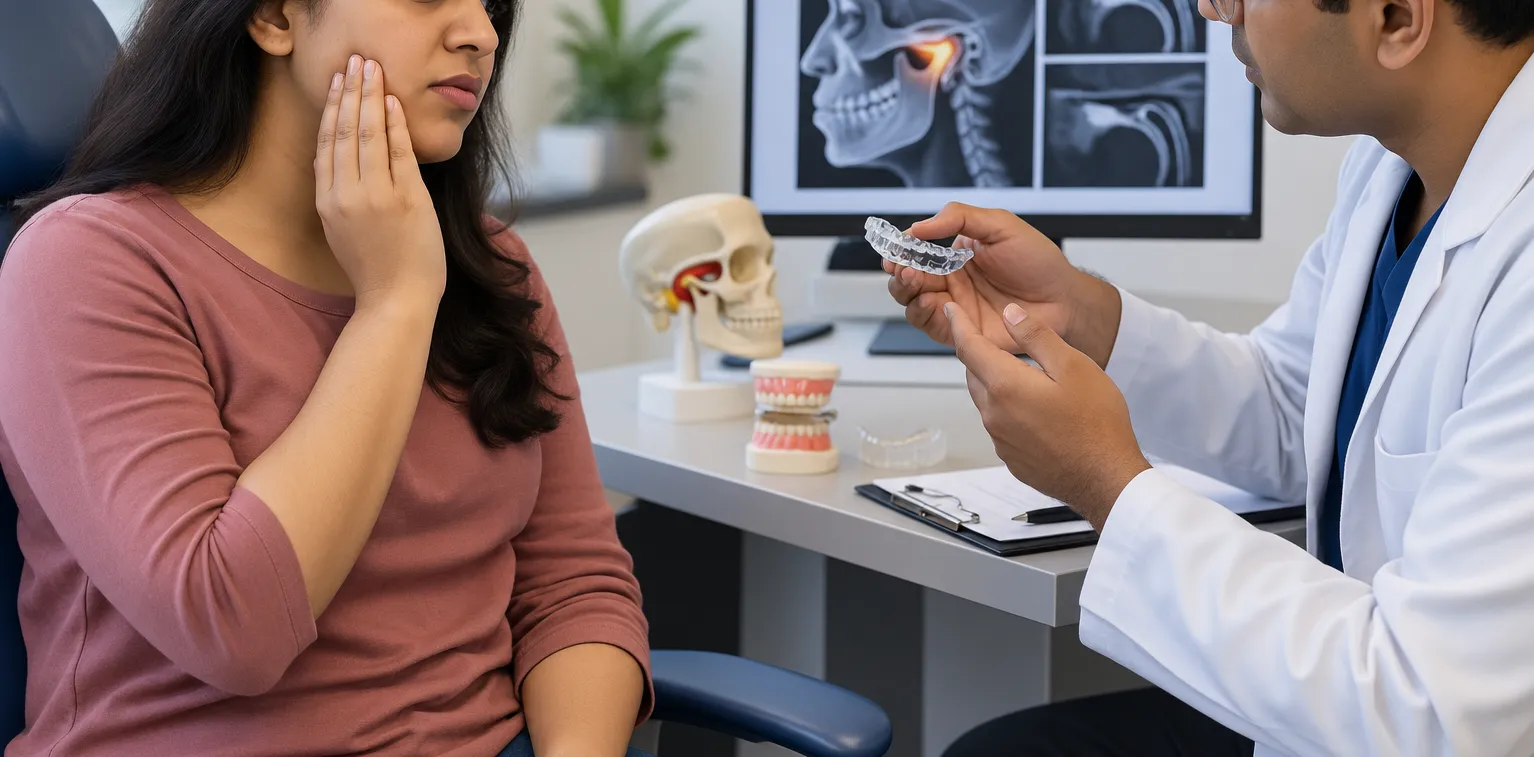
Snap-functional and other dental appliance approaches may be considered in selected cases to influence how the teeth and jaw interact during function.
The design and purpose of an appliance should be individualized. It should not simply be purchased or used without assessment because poorly planned appliances can alter bite contacts and may not address the underlying problem.
What Else May Be Part of TMJ Management
Depending on the diagnosis, management can include several conservative strategies.
These may involve:
- Temporarily avoiding very hard or chewy foods
- Reducing habits such as nail biting
- Avoiding unnecessary wide mouth opening
- Addressing daytime clenching habits
- Jaw exercises when specifically recommended
- Appropriate dental appliance therapy
- Monitoring symptom changes
Treatment should correspond to the suspected cause rather than relying on a single approach for everyone.
When Should Jaw Symptoms Be Evaluated
Persistent pain, repeated locking, progressively limited mouth opening, difficulty chewing, or symptoms following trauma deserve assessment.
Patients should also mention associated tooth pain because dental conditions can sometimes produce discomfort that feels as though it originates from the jaw.
Evaluating Treatment Progress
TMJ management should include reassessment.
Useful indicators may include changes in pain intensity, frequency of discomfort, jaw movement, chewing comfort, muscle tenderness, and episodes of locking.
At Sri Krishna Multispecialty Dental and Implant Studio, patients with jaw-related concerns can undergo dental evaluation before appliance-based management is considered.
For Hyderabad patients, this diagnostic approach helps ensure that TMJ symptoms are evaluated in context rather than being treated solely according to one symptom.
Jaw pain management is rarely about choosing a device from a list of treatments. It begins by understanding whether the main issue involves muscles, the joint, dental factors, parafunctional habits, or a combination of influences. Snap-functional therapy may have a role in selected treatment plans, but appropriate case selection and ongoing evaluation remain central to responsible TMJ care.
Keywords