Discovering a cavity does not automatically mean every patient needs the same filling. The size of the decay, tooth location, remaining enamel, chewing pressure, appearance, and previous dental work can all influence how a damaged tooth should be restored.
Modern Cavity fillings are available in different materials and designs, making proper assessment important before treatment begins.
For patients in Madhura Nagar, Hyderabad, understanding these differences can help make restorative decisions easier.
When Does a Cavity Need Treatment
Dental decay occurs when acids produced by oral bacteria gradually damage tooth structure. Very early enamel changes may sometimes be managed preventively, depending on their extent and activity.
Once a cavity has created structural damage that requires restoration, the decayed portion is generally removed and the tooth is repaired with an appropriate material.
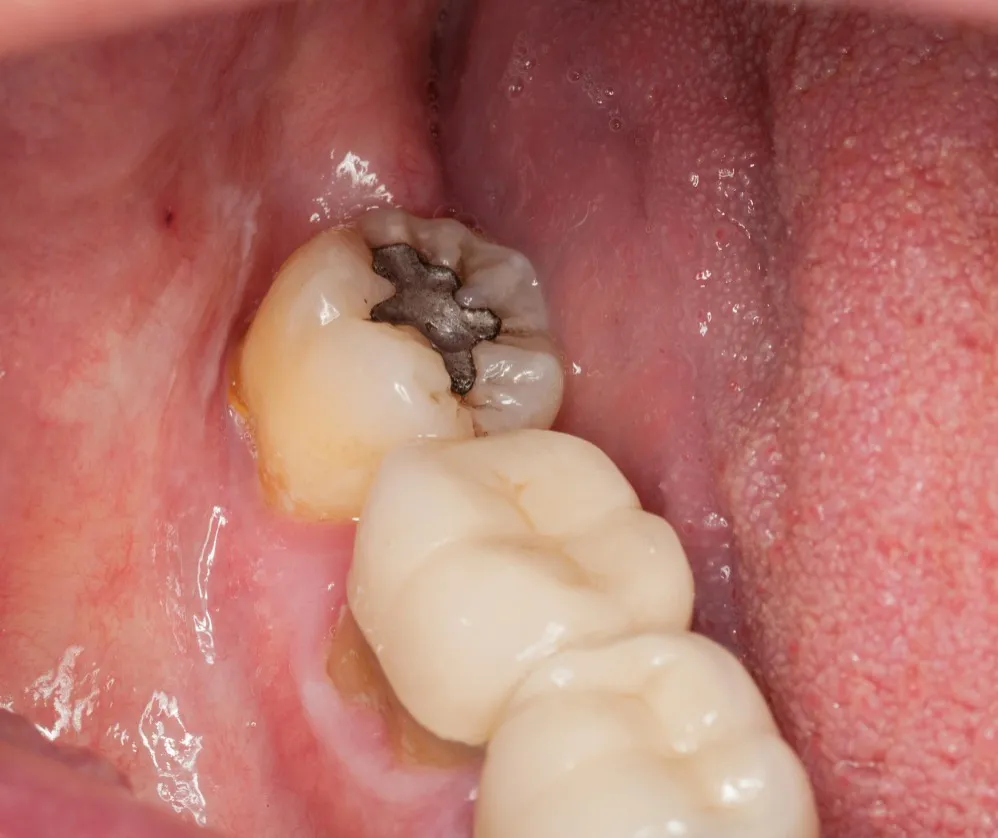
Common signs that warrant assessment include sensitivity, food trapping, visible dark areas, pain when chewing, and a rough or broken tooth surface. However, some cavities produce few noticeable symptoms.
Different Filling Materials Serve Different Needs
Tooth-coloured composite is commonly used because it can blend with surrounding teeth and bond to tooth structure.
Other restorative materials may also be considered according to the clinical situation. Larger areas of damage may sometimes require an inlay, onlay, or crown rather than a conventional direct filling.
The best option therefore depends on how many healthy teeth remain.
Small Cavity and Large Cavity Treatment Are Different
A small cavity surrounded by healthy enamel usually presents a different restorative situation from a tooth with extensive decay and weakened cusps.
For larger defects, simply placing a bigger filling is not always the most suitable approach. The dentist needs to determine whether the remaining tooth can tolerate normal chewing forces.
This is especially important for molars, which experience significant pressure.
What Should Patients Compare
When evaluating a filling recommendation, consider:
- Amount of tooth structure remaining
- Position of the cavity
- Visibility when smiling
- Chewing forces
- Previous restorations
- Risk of future fracture
- Oral hygiene
- Expected maintenance requirements
Cost may influence a decision, but choosing solely according to the lowest immediate expense can overlook structural requirements.
Why Early Detection Makes a Difference
Smaller cavities often allow more natural tooth structure to be preserved. Delaying assessment may allow decay to progress deeper toward the dental pulp.
If the pulp becomes significantly inflamed or infected, a simple filling may no longer be sufficient and root canal treatment could become necessary.
Regular dental examinations can therefore identify problems before discomfort becomes severe.
What Happens After a Filling
Mild sensitivity may occur temporarily following some restorations. Persistent pain, difficulty biting, a feeling that the filling is too high, or increasing sensitivity should be evaluated.
Good daily cleaning remains necessary because decay can develop around the margins of an existing restoration.
At Sri Krishna Multispecialty Dental and Implant Studio, patients with suspected cavities can be assessed to determine the extent of decay and the amount of remaining tooth structure before selecting a restorative approach.
For Hyderabad patients, this can be particularly useful when deciding whether a tooth-coloured filling is adequate or whether more extensive restoration is required.
A successful filling is not simply material placed into a hole. It should restore the damaged area while considering tooth strength, bite, appearance, and long-term maintainability. Addressing decay while it is manageable generally provides more opportunities to conserve natural tooth structure.
Keywords