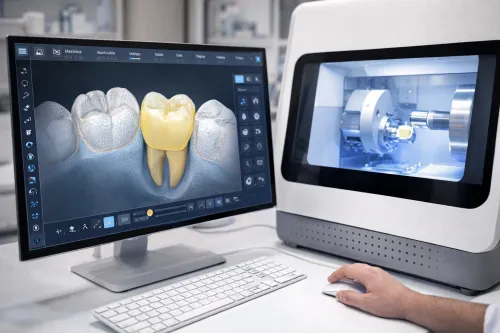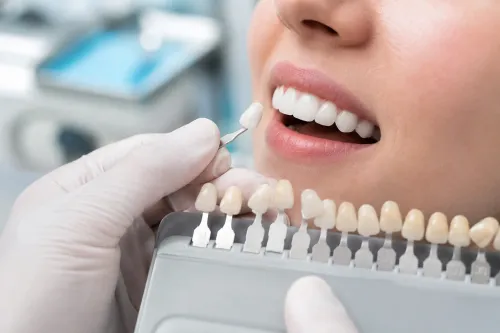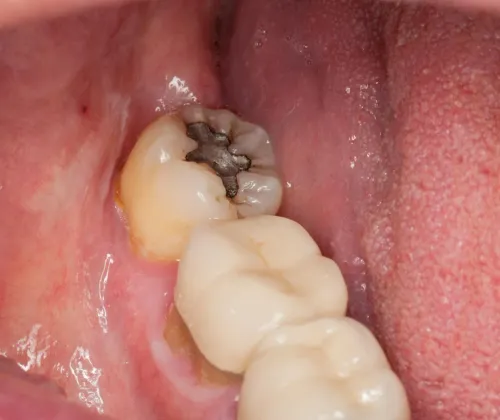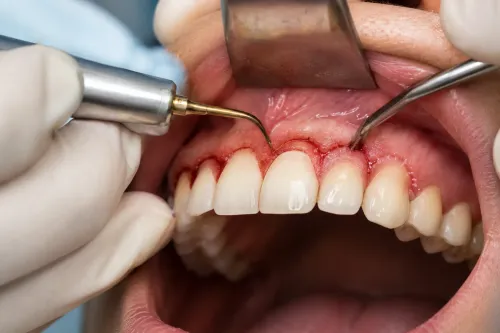
A single damaged tooth can usually be addressed with a focused treatment. The situation becomes more complicated when many teeth are worn, missing, broken, heavily restored, or no longer working together comfortably.
In such cases, Full mouth Rehabilitation may be considered as a coordinated approach to restoring oral function and appearance.
For patients in Madhura Nagar, Hyderabad, this does not mean that every tooth automatically needs a crown. The purpose is to evaluate the mouth as one functional system and determine which teeth genuinely require treatment.
Who May Need Comprehensive Rehabilitation
A detailed assessment may be useful for people experiencing combinations of problems such as:
- Multiple missing teeth
- Severely worn teeth
- Repeatedly fractured restorations
- Extensive decay
- Difficulty chewing
- Reduced tooth height
- Significant aesthetic concerns
- Multiple failing crowns or bridges
- Complicated bite relationships
Some patients have developed these issues gradually over many years and may not realize how individual dental problems are connected.
Treatment Begins With Diagnosis
Comprehensive rehabilitation should never begin by deciding how many crowns to place.
The first stage is understanding the condition of the teeth, gums, supporting bone, jaw joints, muscles, and existing bite.
The dentist may also need to identify why the teeth became damaged. If grinding, gum disease, uncontrolled decay, or another ongoing problem is ignored, new restorations may face the same risks.
Different Procedures May Be Combined
Full-mouth treatment is individualized and can involve different combinations of care.
Depending on clinical requirements, the plan may include:
- Fillings
- Root canal treatment
- Crowns
- Bridges
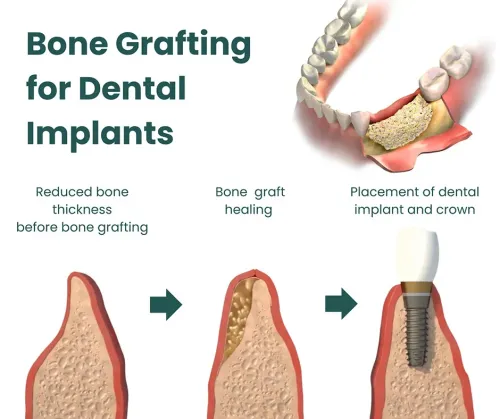
- Dental implants
- Gum treatment
- Replacement of missing teeth
- Bite management
- Selected cosmetic procedures
Not every patient requires every treatment.
How to Know When You Are Ready
A patient considering extensive rehabilitation should understand the proposed sequence, alternatives, expected maintenance, and approximate treatment duration.
Readiness indicators include being able to:
- Maintain daily oral hygiene
- Attend staged appointments
- Address active gum disease or decay first
- Understand which teeth can be preserved
- Discuss replacement options for missing teeth
- Commit to maintenance after treatment
Long-term care is particularly important because extensive restorations still require regular cleaning and examination.
Why Treatment Sequencing Matters
Trying to correct everything simultaneously can make complex dentistry harder to manage.
Urgent infection or pain is usually addressed first. Gum health and active disease may then need stabilization. Definitive restorative work can subsequently be planned around the final functional goals.
Temporary restorations may sometimes be used during the process to evaluate appearance or bite before definitive treatment is completed.
Selecting a Dental Team for Comprehensive Care
Patients considering extensive dental work should look beyond photographs of cosmetic results.
Ask how the treatment plan accounts for:
- Remaining natural teeth
- Gum and bone health
- Bite forces
- Missing teeth
- Existing restorations
- Maintenance
- Alternative treatment options
At Sri Krishna Multispecialty Dental and Implant Studio, comprehensive assessment can help patients understand which areas require treatment and how individual procedures can be coordinated into a structured plan.
For people in Hyderabad with multiple longstanding dental concerns, this type of planning can prevent fragmented treatment where one tooth is repeatedly addressed without considering the rest of the mouth.
Full-mouth rehabilitation is best understood as coordinated oral reconstruction rather than a single dental procedure. Its value lies in deciding what should be preserved, what needs restoration, how missing teeth should be managed, and how the completed dentistry will function together over time.
Keywords