Traditional dentistry has long relied on physical impressions, laboratory models, and manually fabricated restorations. These methods remain useful, but digital technology has introduced new ways to capture tooth information, design restorations, and manufacture them with a high degree of consistency.
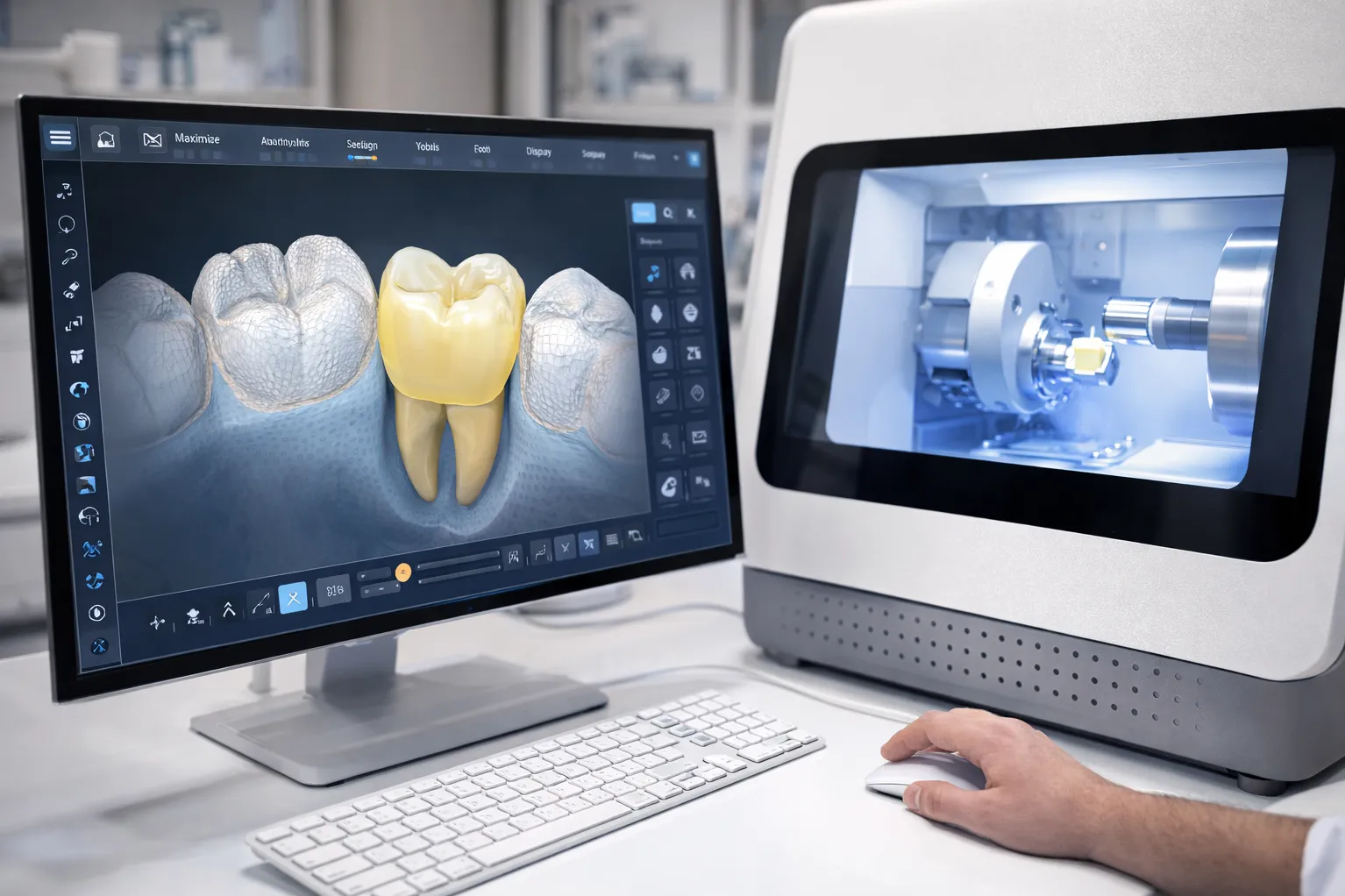
CAD-CAM dentistry refers to computer-aided design and computer-aided manufacturing used in restorative dental workflows.
For patients in Madhura Nagar, Hyderabad, knowing what this technology actually does can make digital dentistry less confusing.
What Happens in a Digital Workflow
Depending on the equipment and treatment being provided, the dentist may use an intraoral scanner to capture a three-dimensional representation of the teeth.
Digital information can then assist in designing restorations such as selected:
- Crowns
- Inlays
- Onlays
- Bridges
- Implant restorations
- Other customized dental prostheses
The planned restoration can subsequently be milled or otherwise manufactured from a suitable dental material.
How This Differs From Conventional Dentistry
Traditional workflows commonly involve taking an impression using dental impression material. A physical model is then produced and used by the dental laboratory.
Digital workflows can replace some of these steps with electronic scans and computerized design.
Neither approach should be judged purely by whether it is digital. Clinical examination, tooth preparation, material choice, laboratory standards, bite assessment, and finishing remain critical.
Technology assists the process; it does not replace treatment planning.
Potential Advantages of Digital Scanning
For suitable patients, digital impressions may offer several practical benefits.
The scan can often be reviewed immediately, allowing the dental team to identify areas that may need to be captured again. Digital records can also make communication between the dentist and laboratory more efficient.
Patients who find conventional impression materials uncomfortable may appreciate scanning where clinically appropriate.
Does CAD CAM Mean Same Day Teeth
Not necessarily.
Some practices have systems that allow certain restorations to be designed and manufactured within a short period. Other digital cases are sent electronically to a dental laboratory for fabrication.
The timeline depends on the restoration, material, complexity, equipment, and clinical requirements.
Therefore, CAD-CAM should not automatically be interpreted as same-day dentistry.
Where Precision Matters
A dental restoration needs to work within a highly specific environment. Its margins, contacts, shape, and bite all require careful attention.
Digital design tools can assist with this process, but the restoration still needs clinical verification.
Before final placement, a dentist may evaluate:
- Fit
- Bite
- Contact with adjacent teeth
- Shape
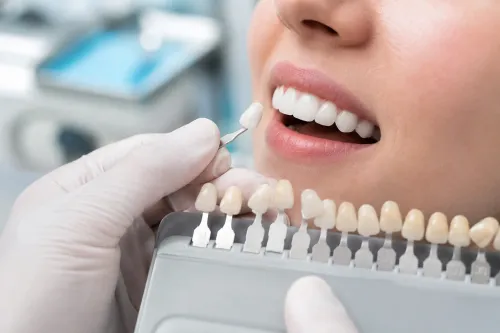
- Shade
- Gum relationship
- Overall comfort
Adjustments may still be required even when a restoration has been digitally designed.
Choosing Technology Based on Need
Patients should not select dental treatment solely because a clinic uses a particular machine. A better question is how the technology contributes to their specific treatment.
At Sri Krishna Multispecialty Dental and Implant Studio, digital restorative planning may be considered according to the type of restoration and individual clinical requirements.
For people across Hyderabad, who are exploring modern restorative options, understanding the complete workflow helps separate genuine clinical advantages from technology-focused marketing.
CAD-CAM dentistry represents an important development in modern dental care because it can streamline several stages of restoration design and manufacturing. Its greatest value appears when digital precision is combined with careful diagnosis, appropriate material selection, skilled preparation, and proper evaluation of the final restoration.
Keywords