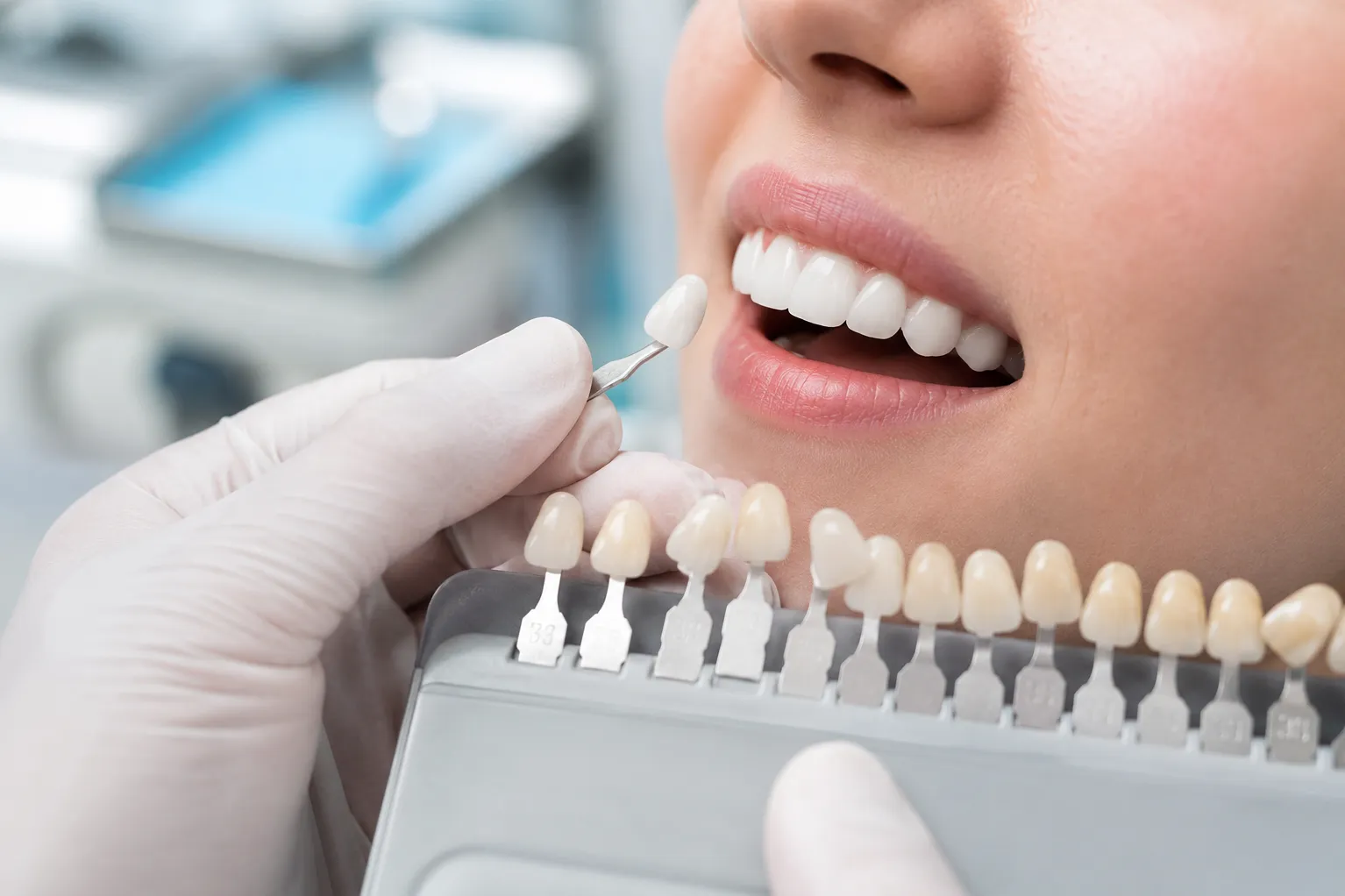
Tooth-coloured dental materials have changed how many chipped, decayed, worn, and aesthetically uneven teeth can be restored. Yet choosing a restoration simply because it matches the colour of the tooth overlooks several important considerations.
Composite Restorations use resin-based tooth-coloured materials that can be shaped and bonded directly to teeth. They may be useful for both functional repairs and selected cosmetic improvements.
For people seeking restorative dental care in Madhura Nagar, Hyderabad, understanding their capabilities and limitations helps set realistic expectations.
Where Composite Can Be Useful
Composite materials can be considered for a variety of dental situations, including:
- Small to moderate cavities
- Chipped teeth
- Certain fractured edges
- Minor shape corrections
- Closing selected small spaces
- Replacing some older restorations
- Improving specific cosmetic irregularities
Because composite is placed directly onto the tooth in many cases, treatment can often preserve a considerable amount of healthy structure.
Appearance Is Only One Requirement
A natural-looking restoration should reproduce more than colour. Tooth shape, surface texture, contour, translucency, contact with neighbouring teeth, and bite all influence the final result.
This becomes particularly noticeable when composite is used on front teeth.
A technically good restoration should also be easy for the patient to clean and should not interfere with normal biting.
Composite Compared With More Extensive Restorations
Composite can be highly useful for suitable defects, but it cannot replace every crown, onlay, or ceramic restoration.
A tooth that has lost substantial structure may require a restoration capable of providing broader coverage. Similarly, teeth exposed to heavy bite forces may need a different treatment strategy.
This is why the size of the defect matters as much as its appearance.
What Can Affect Longevity
Several factors can influence how a composite restoration performs over time:
- Size and location of the restoration
- Remaining natural tooth structure
- Oral hygiene
- Bite forces
- Teeth grinding
- Dietary habits
- Placement technique
- Regular dental maintenance
Composite can also stain or wear over time. Periodic polishing, repair, or replacement may eventually be needed depending on its condition.
Can Composite Improve a Smile
In selected cases, yes.
Composite bonding may be discussed for minor chips, shape discrepancies, small spaces, or localized aesthetic concerns.
However, cosmetic treatment should begin with an assessment of the entire smile rather than immediately adding material to individual teeth.
Tooth position, gum levels, bite relationships, enamel condition, and existing restorations can all affect the result.
When Another Option May Be Better
Extensively damaged teeth, large fractures, significant bite problems, or major colour changes may require alternative treatment.
Some patients may benefit from orthodontic correction, whitening, ceramic restorations, crowns, or a combination of procedures instead.
At Sri Krishna Multispecialty Dental and Implant Studio, restorative assessment can help determine whether direct composite is suitable for a particular tooth and how it fits into the patient's overall dental condition.
This is relevant for Hyderabad patients who want tooth-coloured repairs but also want to understand how function and maintenance affect the decision.
Composite dentistry can offer conservative and aesthetic solutions when used appropriately. The most important question is not simply whether composite can be placed, but whether it can restore the tooth predictably while maintaining healthy contours, comfortable function, and a natural appearance.
Keywords