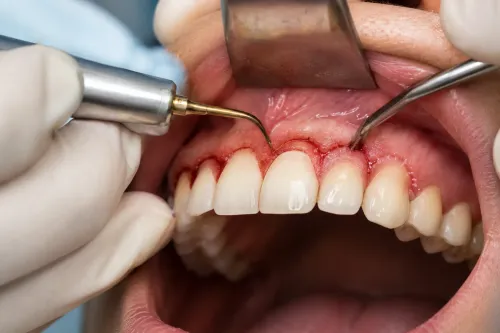
A persistent toothache is often a sign that something more serious is happening beneath the surface of a tooth. While many people believe extraction is the only solution, modern dentistry focuses on preserving natural teeth whenever possible. Root canal therapy is one of the most effective treatments for eliminating infection while keeping your original tooth healthy and functional.
Understanding how this treatment works can help patients seek timely care and avoid more extensive dental problems.
What Is Root Canal Therapy
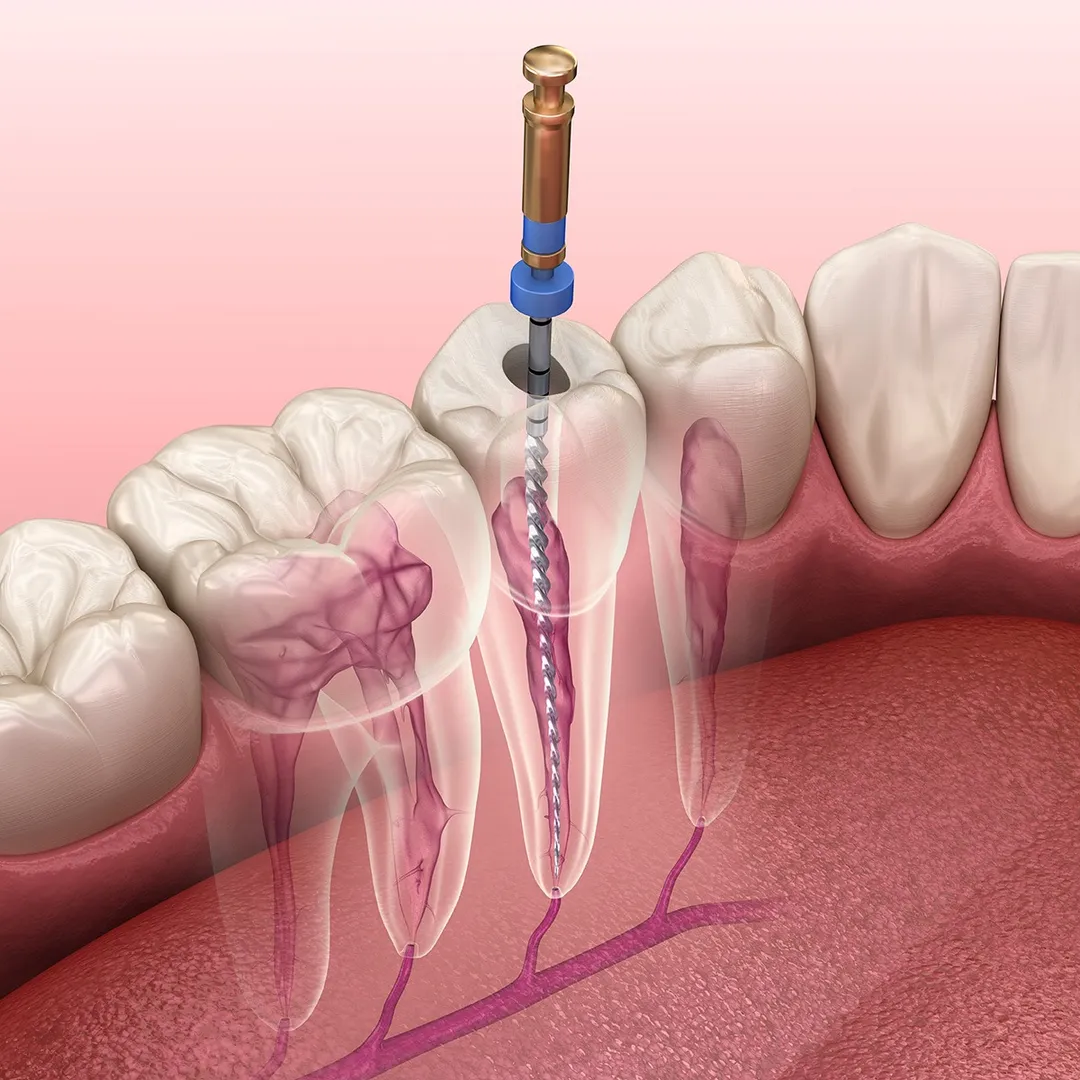
Inside every tooth is a soft tissue called dental pulp. This pulp contains nerves, blood vessels, and connective tissue that support the tooth during its development.
When bacteria reach the pulp because of deep cavities, cracks, repeated dental procedures, or injury, infection develops inside the tooth. Root canal therapy removes the infected tissue, cleans the root canals thoroughly, and seals them to prevent future bacterial growth.
The treated tooth is then restored with a filling or crown to regain its strength.
Signs That May Indicate the Need for Root Canal Treatment
Several symptoms may suggest that the pulp has become infected.
These include:
- Continuous tooth pain
- Pain while biting or chewing
- Sensitivity to hot or cold that lasts after the stimulus is removed
- Swollen or tender gums
- Darkening of the tooth
- A recurring pimple on the gums
Seeking treatment early often helps prevent the infection from spreading.
What Happens During Root Canal Therapy
The treatment follows a systematic process designed to preserve the tooth.
Dental Examination
Digital X-rays and clinical evaluation help determine the extent of infection.
Comfortable Local Anesthesia
The affected area is completely numbed before treatment begins to ensure patient comfort.
Cleaning the Root Canals
Specialized instruments remove infected pulp tissue while disinfecting the canals thoroughly.
Sealing the Tooth
After cleaning, the canals are filled with a biocompatible material that protects the tooth from reinfection.
Final Restoration
A custom crown is often placed to strengthen the tooth and restore its normal appearance and function.
Why Saving a Natural Tooth Is Important
Root canal therapy offers several long-term benefits.
These include:
- Preserving natural chewing ability
- Preventing neighboring teeth from shifting
- Maintaining proper bite alignment
- Eliminating infection
- Restoring comfortable eating and speaking
- Avoiding more complex tooth replacement procedures
Is Root Canal Treatment Painful
Many people delay treatment because they fear pain. However, modern root canal therapy is performed using advanced techniques and effective anesthesia, making it comparable to receiving a routine dental filling.
In fact, the procedure usually relieves the severe pain caused by infection rather than causing additional discomfort.
Looking After a Tooth Following Treatment
Simple habits can help protect a treated tooth for many years.
Patients should:
- Brush and floss every day
- Avoid chewing hard foods until the permanent restoration is completed
- Attend regular dental examinations
- Wear a night guard if teeth grinding is present
- Follow all aftercare instructions provided by the dentist
When You Should Visit a Dentist?
Persistent tooth pain should never be ignored. Early diagnosis allows dentists to treat infection before it affects surrounding bone and soft tissues, helping preserve the natural tooth.
Patients experiencing tooth discomfort in Madhura Nagar, Hyderabad, often benefit from prompt professional evaluation rather than waiting for symptoms to worsen. Sri Krishna Multispecialty Dental and Implant Studio provides advanced root canal therapy using modern diagnostic tools and precision-focused endodontic techniques, helping patients retain their natural teeth while restoring comfort, function, and long-term oral health.
Keywords