When a damaged tooth needs a crown or another restoration, patients often focus on two concerns: how long the restoration may function and whether it will look natural. Modern restorative dentistry offers several materials, and zirconia has become an important option in suitable clinical situations.
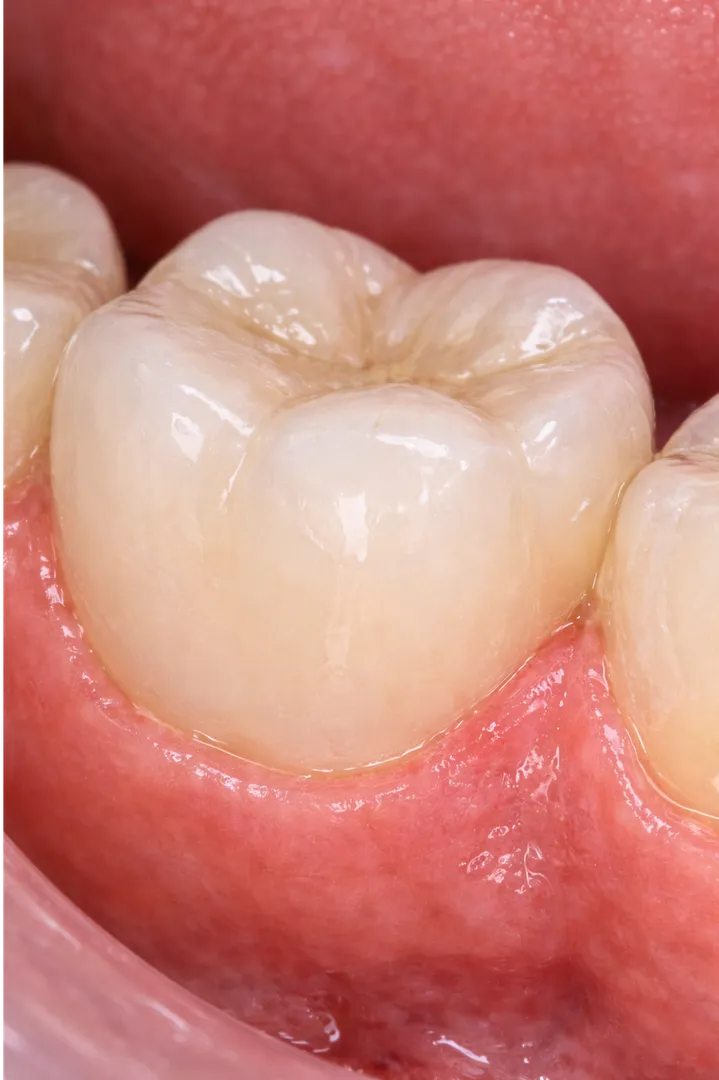
Zirconia Restorations are made using a high-strength ceramic material that can be used for selected crowns, bridges, implant-supported restorations, and other dental applications.
For patients in Madhura Nagar, Hyderabad, learning how zirconia works can make conversations about restorative treatment easier to understand.
What Is Dental Zirconia
Zirconia is a ceramic material valued in dentistry for its strength and biocompatibility. Dental laboratories and digital systems can fabricate zirconia restorations according to the shape and requirements of an individual tooth.
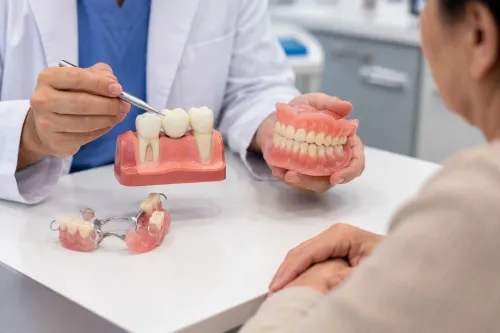
Depending on the clinical situation, zirconia may be considered for front teeth, back teeth, implant restorations, and multi-unit dental work.
The final material selection should depend on more than appearance alone.
Why Strength Matters in Dental Restorations
Back teeth experience considerable pressure during chewing. A restoration placed in these areas needs to tolerate functional forces while maintaining an appropriate bite.
Zirconia is frequently considered where strength is an important treatment requirement. However, factors such as tooth preparation, restoration thickness, bite pattern, opposing teeth, and laboratory quality can influence long-term performance.
Patients who grind or clench their teeth may require additional evaluation because excessive forces can affect both natural teeth and restorations.
What About Appearance
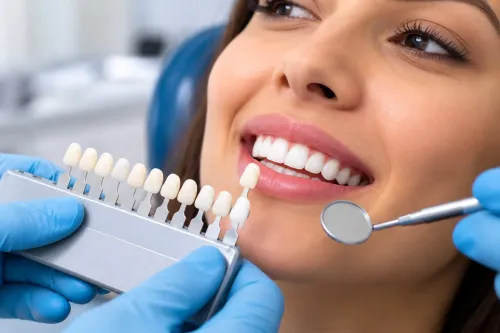
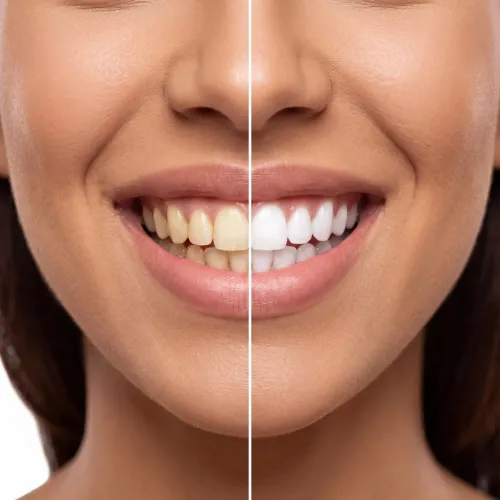
Modern zirconia materials can provide a tooth-coloured appearance, making them useful when patients want to avoid obvious metallic restorations.
The aesthetic outcome depends on several factors, including:
- Position of the tooth
- Shade selection
- Amount of remaining tooth structure
- Gum position
- Restoration design
- Translucency of the chosen material
- Skill involved in fabrication and finishing
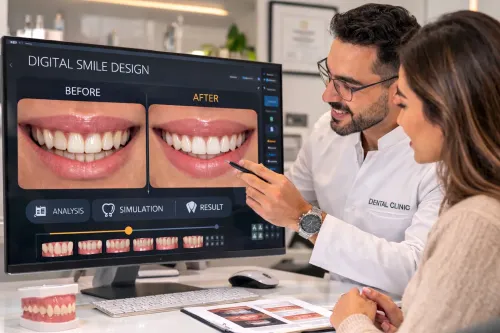
Front teeth generally have more demanding aesthetic requirements because subtle differences in translucency, shape, texture, and shade are easier to notice.
When Might Zirconia Be Considered
A dentist may discuss zirconia when restoring:
- Extensively damaged teeth
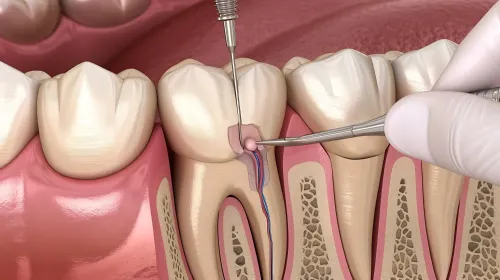
- Root canal-treated teeth requiring protection
- Selected missing-tooth spaces with bridges
- Dental implants
- Teeth requiring significant structural restoration
It is not automatically the correct material for every tooth. Other ceramics, metal-ceramic crowns, composite materials, and alternative restorative options may be appropriate depending on the situation.
Why Treatment Planning Comes First
A crown is only one part of the treatment. The tooth underneath it must also be assessed.
Decay, cracks, gum health, root condition, remaining tooth structure, bite forces, and oral hygiene can influence whether a crown is advisable and how it should be designed.
At Sri Krishna Multispecialty Dental and Implant Studio, restorative planning can include evaluation of both functional and aesthetic requirements before a material is selected.
This approach is particularly relevant for Hyderabad patients seeking restorations that need to fit comfortably into an existing bite while maintaining a natural appearance.
Caring for Zirconia Dental Work
Zirconia itself cannot develop tooth decay, but the natural tooth supporting a crown can still develop problems around restoration margins.
Daily brushing, interdental cleaning, regular dental examinations, and professional cleaning remain important. Patients should also avoid using restored teeth to bite very hard non-food objects.
Advances in restorative materials are giving patients more options than traditional dental crowns alone. The important decision is not simply whether zirconia is strong or attractive, but whether a particular restoration is appropriate for the tooth, bite, gum condition, and overall treatment plan.
Keywords