Baby teeth do more than occupy space until adult teeth arrive: they affect eating, speech, sleep, comfort and the path permanent teeth follow. By following an age-based routine, limiting repeated sugar exposure and recognising warning signs early, you can prevent avoidable damage and seek the right care before a small problem becomes an urgent one.
Key takeaways
- Schedule the first dental visit by the first birthday.
- Brush twice daily with fluoride toothpaste suited to your child’s age.
- Treat tooth pain, swelling, trauma, and fever as warning signs.
- Protect baby teeth because they guide chewing, speech, and permanent-tooth spacing.
Why Baby Teeth Matter Before Permanent Teeth Arrive
Primary teeth matter long before permanent teeth arrive: they help children chew, obtain adequate nutrition, form clear speech sounds, support normal facial and jaw development, and hold space for successors. This is the core of baby teeth importance and healthy teeth during childhood.
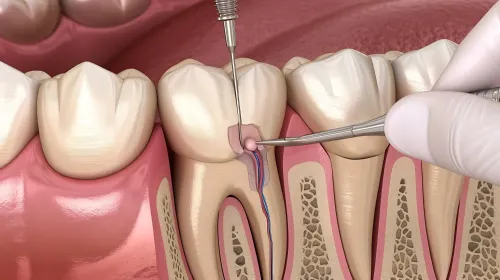
Untreated decay does not wait for a tooth to fall out. Pain can make a child avoid chewing, eat poorly, wake repeatedly, and become irritable, withdrawn, or unusually difficult to settle. A cavity can also reach the pulp, causing infection, swelling, and the need for urgent treatment.
Watch for these baby tooth decay consequences:
- Decay can cause persistent pain or sensitivity, especially during meals or at night.
- Infection can spread beyond the tooth and affect general wellbeing.
- Difficulty eating can reduce food variety and nutrition.
- Night pain can disrupt sleep, leaving a child tired and changing daytime behaviour.
- Severe damage can require premature tooth removal before its permanent successor is ready.
- After early loss, neighbouring teeth can drift into the gap and reduce the space needed for the permanent tooth. A space maintainer is not automatic; the dentist considers which tooth was lost, the child’s age, eruption timing, bite, and remaining space.
Treating decay early protects comfort, eating, sleep, and the eruption path—not just a tooth that will eventually be replaced.
The Childhood Dental Timeline: First Visit, Eruption and Daily Care
Book the first dental visit for baby by 12 months, or within six months of the first tooth appearing. The visit establishes a dental home for risk assessment, examination, prevention planning and caregiver guidance—not automatic invasive treatment.
1. Use this baby teeth eruption chart as a guide: lower central incisors usually appear around 6 to 10 months, followed by upper central incisors, lateral incisors, first molars, canines and second molars. Most primary teeth erupt by about age 3. First permanent molars usually arrive around age 6, behind the baby teeth.
2. Follow a children dental check-up schedule based on risk. Six-month visits are a common starting point, but frequent decay, enamel defects, orthodontic concerns, special health needs or high-sugar exposure may require shorter intervals.
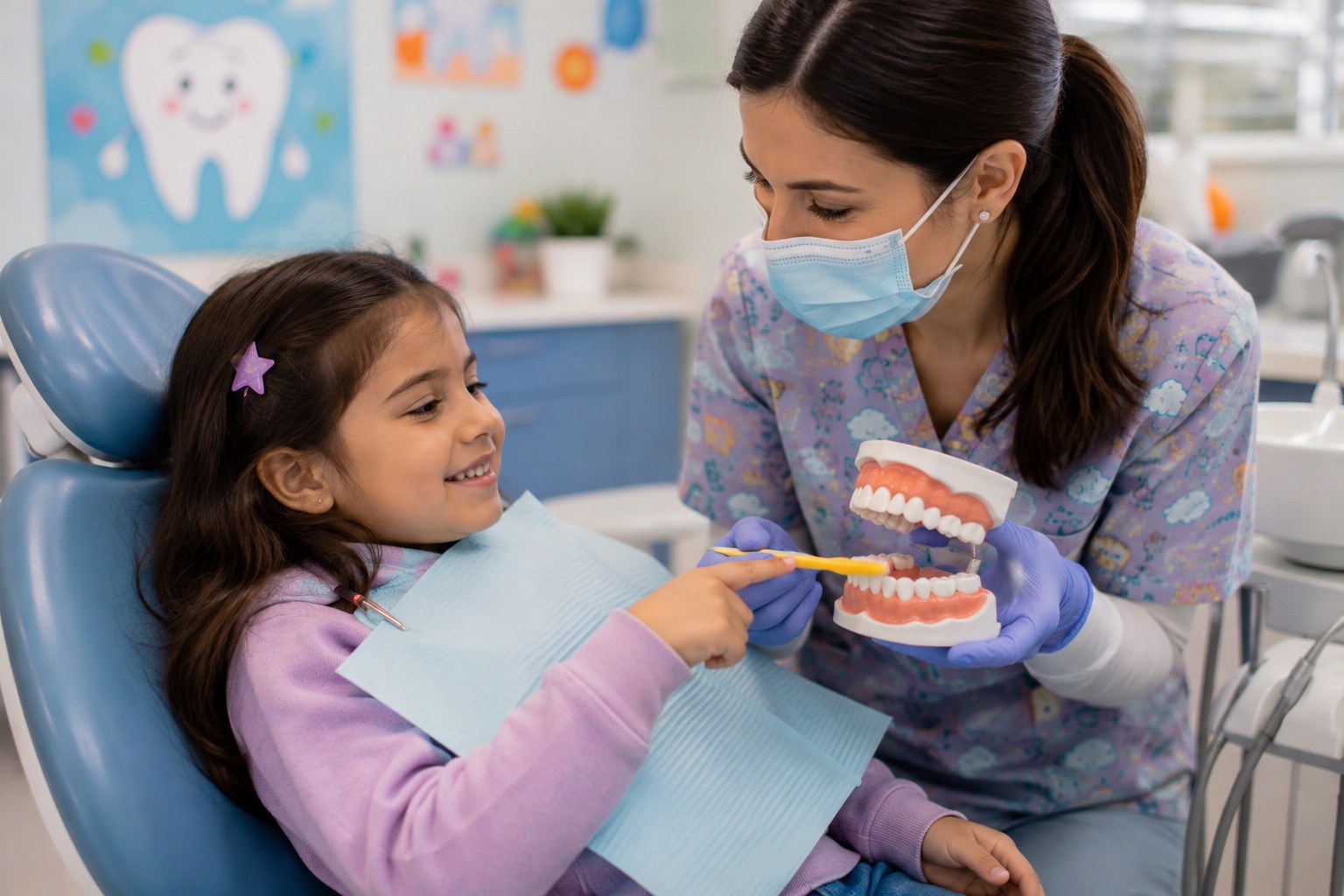
3. Start fluoride toothpaste for children as soon as the first tooth erupts. Brush twice daily with a caregiver applying a smear, or rice-grain amount, below age 3; use a pea-sized amount from ages 3 through 6. Supervise brushing to limit swallowing and reach every tooth surface.
4. Floss when two teeth touch. A toothbrush cannot clean the contact area, where plaque can remain and decay can begin.
5. Help your child brush until technique and consistency are reliable. Begin the transition toward independent brushing around ages 7 to 8, then check the result rather than assuming the job is complete.
Food, Fluoride and Warning Signs Parents Should Act On
Frequent exposure matters more than one occasional sweet. Snacks, juice, sugary drinks, sticky foods, and prolonged sipping from a bottle or cup repeatedly feed acid-producing bacteria. During sleep, saliva flow drops, so a bedtime bottle containing milk, formula or juice can cause bedtime bottle tooth decay. Offer water as the safer bedtime drink.
Use this routine for childhood tooth decay prevention:
- Keep sugary foods and drinks with meals instead of offering them throughout the day. Remove bottles and cups after drinking; do not let a child sleep or wander with one.
- Brush twice daily with fluoridated toothpaste. Use a smear, or rice-grain amount, under age 3 and a pea-sized amount from ages 3 to 6. Help your child spit, but do not rinse with water; rinsing washes away fluoride.
- Treat fluoride safety for children as a total-exposure question. If your child repeatedly swallows toothpaste, tell a dentist rather than starting casual fluoride supplements. The dentist can assess tap water, bottled water, toothpaste and fluorosis risk before recommending anything.
Call a dentist promptly for early signs of cavities in children or gum disease:
- White, chalky, yellow or brown spots
- Sensitivity to cold, sweet foods or brushing
- Persistent bad breath
- Red, swollen or bleeding gums
- Facial swelling
- Chewing on one side
- Poor sleep or unusual irritability
Facial swelling, fever or difficulty swallowing needs urgent dental assessment.
What Preventive and Urgent Dental Care Is Actually Used For
Fluoride varnish for children is preventive care after teeth erupt, especially when decay risk is elevated. Dental sealants for kids protect deep grooves in susceptible permanent molars, where toothbrush bristles cannot clean well. Neither treatment replaces brushing or dietary changes.
| Intervention | What it addresses | When it applies |
|---|---|---|
| Fluoride varnish | Strengthens newly erupted enamel and slows early decay | After teeth erupt, based on risk |
| Dental sealants | Traps food and bacteria in vulnerable molar grooves | Susceptible permanent molars |
| Space maintainer for baby teeth | Preserves room after premature tooth loss | Only when tooth loss, age, eruption timing, bite and remaining space justify it |
| Silver diamine fluoride for children | Arrests selected active cavities without drilling | When staining and monitoring are acceptable; arrested areas turn permanently black and lost tooth shape remains unrepaired |
A radiograph is not automatic. The dentist weighs decay risk, symptoms, examination findings and whether the image will change treatment; exposing a child to an image that adds no decision-making value offers no benefit.
Persistent thumb-sucking or pacifier use can alter the bite, including an open bite or crossbite. Discuss a plan to stop by about 36 months; habit intensity, duration and frequency determine whether monitoring or orthodontic care is needed.
After a blow to the mouth, do not replant a knocked-out primary tooth because it can injure the developing permanent successor. Seek prompt assessment for a displaced tooth, swelling, uncontrolled bleeding, severe pain or suspected jaw injury.
What to Expect at a Child’s Dental Visit and How to Choose Care
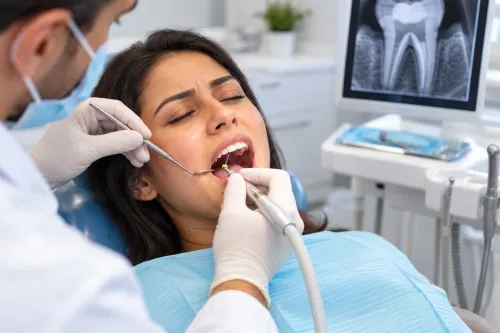
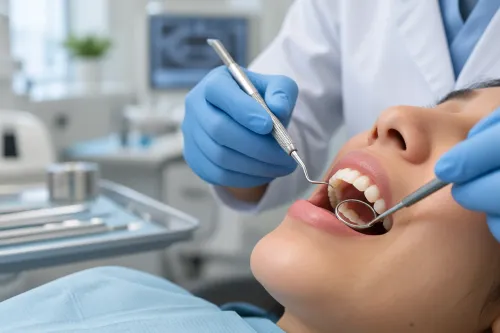
A child’s first appointment should begin with questions, not a drill. The dentist records medical and dental history, diet, fluoride exposure, brushing habits, thumb-sucking or pacifier use, and previous injuries before completing a children dental examination of the teeth, gums, bite, and eruption pattern.
| Visit component | What it checks | What may follow |
|---|---|---|
| Risk history | Caries, diet, fluoride, habits, medicines and trauma | A personalised prevention plan |
| Clinical examination | Plaque, enamel defects, cavities, gums, bite and eruption | Monitoring, cleaning or treatment if needed |
| Radiographs | Hidden disease when symptoms, risk or findings justify imaging | Images only when results could change care |
| Prevention visit | Brushing technique, diet, fluoride and sealant suitability | Fluoride varnish or sealants when indicated |
What happens at a pediatric dental visit depends on those findings. Cleaning and fluoride varnish are not automatic, and radiographs are not taken on a fixed schedule. The first appointment can end with examination and caregiver education, without invasive treatment.
Ask these questions before agreeing to a plan:
- What is my child’s caries risk, and which findings create it?
- Can you watch the brushing technique and correct it?
- Do any permanent molars need sealants?
- Which teeth need monitoring, and when is the next review?
- What should we do after a dental injury?
- How will you support anxiety, movement or refusal?
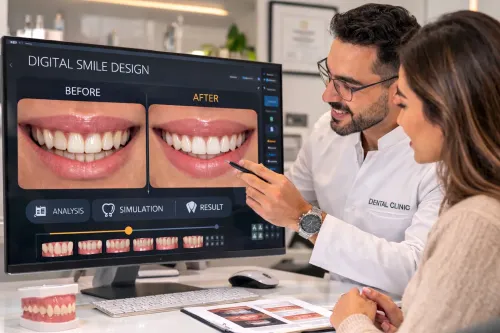
Families searching “pediatric dentist Hyderabad” can assess Sri Krishna Multispecialty Dental & Implant Studio by asking how digital planning supports child-focused assessment, prevention guidance and follow-up access—not by choosing on technology alone.
Related service
Child Dental Health Pediatric Dentistry- Gentle, Specialized Dental Care for Infants, Children, and Teens Pediatric Dentistry Gentle, Specialized Dental Care for Infants, Children, and Teens Children require a special approach to dental care—one that is... View service → |
Frequently asked questions
Why are baby teeth important if they eventually fall out?
Baby teeth help children chew and speak, support facial and jaw development, and hold space for permanent teeth. Early decay can cause pain, infection, eating problems, and premature tooth loss.
When should a child have their first dental visit?
Schedule the first dental visit by the child’s first birthday, or within six months of the first tooth appearing. Regular visits help identify decay, enamel problems, bite concerns, and hygiene issues early.
How should parents care for children’s teeth every day?
Brush twice daily with fluoride toothpaste, supervise brushing until the child can clean every surface reliably, limit frequent sugary snacks and drinks, and clean between teeth when contacts become tight.
Which dental symptoms need urgent attention in a child?
Seek prompt dental care for tooth pain, facial or gum swelling, a dental injury, uncontrolled bleeding, fever linked to a tooth, or difficulty swallowing or breathing.
What happens during a child’s dental visit?
The dentist checks teeth, gums, eruption, bite, oral habits, and cleaning technique. The visit may include fluoride treatment, preventive guidance, X-rays when clinically needed, or treatment planning for decay or injury.