A tooth can develop diseased pulp after decay, a crack, trauma, a leaking filling, or repeated dental work, even when pain is mild or absent. By understanding how dentists confirm pulp damage, disinfect the root canals, and protect the remaining tooth, you can make sense of the treatment plan and know when recovery is not following the expected course.
Key takeaways
- Decay, cracks, and repeated dental work can infect the pulp.
- X-rays, pulp tests, and symptoms help confirm whether treatment is needed.
- Root canal treatment removes infected pulp, cleans the canals, and seals the tooth.
- Protect the treated tooth with a final restoration and prompt follow-up care.
How Does Infection Reach the Centre of a Tooth?
Bacteria reach the centre of a tooth when decay, damage, or repeated dental work breaks the hard enamel-and-dentin barrier. The pulp contains nerves and blood vessels, so contamination can turn it into a diseased pulp. An infected tooth does not need to look broken or cause severe pain.
Common routes into the pulp include:
- Untreated decay: acids create a cavity that moves deeper through dentin until bacteria reach the pulp.
- Cracks or fractures: chewing forces pump bacteria and saliva through the opening; a crack below the gum can make the tooth difficult or impossible to seal.
- Trauma: an impact can expose the pulp, or damage its blood supply so the pulp later dies and becomes infected.
- Leaking fillings or crowns: gaps at the restoration’s edge allow bacteria to travel underneath and inward.
- Repeated procedures: each filling, crown, or repair removes or stresses more tooth structure, increasing the risk of pulp irritation or exposure.
Reversible pulpitis causes brief sensitivity, usually to cold or sweets, that stops soon after the trigger is removed. The pulp can recover when the irritant is treated.
Irreversible pulpitis causes inflammation that the pulp cannot repair; pain can linger, start without warning, or worsen at night, and root canal treatment is needed to remove the damaged tissue.
Pain can also fade when the pulp dies, but bacteria may remain inside. No pain does not prove that the tooth has healed.
How Does a Dentist Confirm That Root Canal Treatment Is Needed?
Pain alone cannot establish a root canal diagnosis. A dentist compares your history—when pain began, what triggers it, whether it lingers, and whether swelling occurred—with findings from the tooth and neighbouring teeth. Pain can also come from a cracked tooth, gum problem, high filling, or another condition that does not require root canal treatment.
The examination may include:
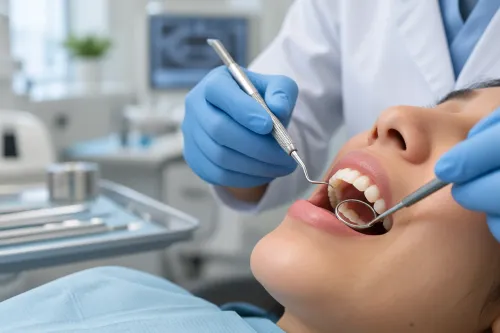
- Bite testing: pain when you close or release your teeth can indicate an inflamed ligament or crack.
- Percussion: tapping the tooth checks tenderness in the supporting tissues around its root.
- Palpation: pressing the gum over the root looks for tenderness or swelling.
- Periodontal probing: an isolated deep pocket can suggest a crack or drainage pathway.
- Cold test and hot test: the dentist compares your response with nearby healthy teeth and notes whether it lingers.
- Electric pulp testing: a small electrical stimulus checks nerve response; it does not measure pulp health by itself.
A dental X-ray can show deep decay, widening around the root, or a dark area caused by apical bone loss. Early disease may not have changed the bone enough to appear, so a normal-looking dental X-ray does not exclude pulpal disease.
If the pulp dies, pain and sensitivity can fade because the nerves no longer respond, but bacteria can remain inside and later cause infection. The diagnosis comes from the overall pattern, not one test.
What Happens During Root Canal Treatment and How Many Visits Does It Take?
Root canal treatment may finish in one appointment or require several, depending on the tooth’s condition and canal anatomy. Local anaesthetic is given first, so you should not feel sharp pain. Severe inflammation can make numbness incomplete; supplemental anaesthetic or staged treatment may be needed.
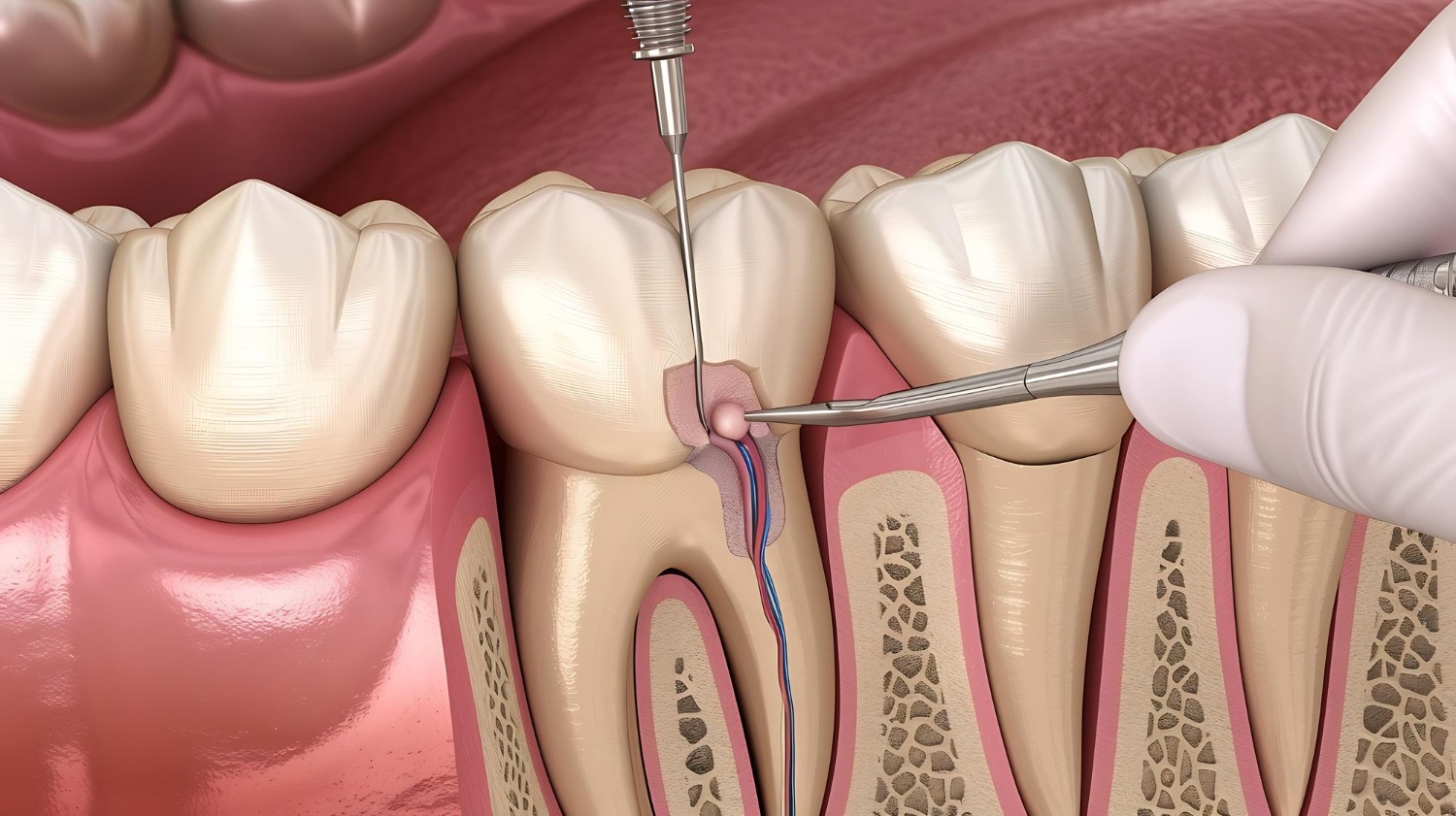
- A rubber dam isolates the tooth from saliva and protects your mouth from instruments and cleaning solutions.
- The dentist creates an access opening through the crown and removes the inflamed or infected pulp.
- Root canal cleaning removes bacteria and tissue, while canal shaping creates space for thorough disinfection and filling.
- Irrigation flushes debris and microbes from areas instruments cannot reach.
- The dentist fills the prepared canals with gutta-percha and sealer, then closes the access opening.
A temporary filling protects the tooth between visits; it is not the finished restoration. Leaving it in place too long permits leakage and increases the fracture risk of the weakened tooth.
One visit can be suitable when cleaning, drying and sealing are straightforward. Additional appointments allow medication inside the canals, drainage to settle, or further cleaning when the system is difficult to disinfect.
Treatment can extend because of:
- Narrow or curved canals
- Calcified canals with restricted paths
- Draining infection
- Extra canals or unusual anatomy
- Complicated access or restoration needs
A later appointment is not evidence of failure. It reflects the time needed to disinfect and seal the entire canal system rather than only the visible opening.
What Should You Feel After Treatment, and When Is It an Emergency?
Tenderness when biting is common during early root canal recovery because the tissues around the root were inflamed or disturbed during treatment. It should gradually settle, not intensify. Avoid chewing hard foods on that tooth until your dentist places the permanent restoration.
Antibiotics do not remove infected or dead pulp. They cannot disinfect the canal system or replace cleaning, sealing, and drainage when those procedures are needed. A dentist may prescribe antibiotics when you have fever, malaise, spreading infection, or facial swelling, or when a selected high-risk medical condition makes systemic treatment appropriate.
Taking leftover antibiotics can delay the treatment you actually need and cause side effects.
Arrange prompt dental assessment if you notice any of these signs:
- Pain that is worsening rather than easing, especially if pain prevents sleep or normal eating
- New or increasing facial swelling, swelling of the gum, or swelling that extends toward the eye or neck
- Fever, chills, or marked malaise
- Difficulty swallowing, including trouble managing saliva
- Difficulty breathing, which requires emergency assessment immediately
Do not wait for pain before seeking help. A tooth with a dead pulp can cause little or no pain while infection continues around the root.
How Do You Protect the Tooth After the Root Canal?
A temporary filling is not the finished treatment. Arrange the permanent restoration promptly because coronal leakage can recontaminate the canals, while the weakened tooth remains exposed to chewing forces and tooth fracture. A sound seal protects an otherwise successful root canal.
Posterior teeth often need cuspal protection because molars and premolars absorb heavy biting forces. A dental crown may be appropriate, but an onlay or bonded filling can suit a tooth with more intact structure. The choice depends on the tooth’s location, remaining walls and cusps, bite forces, and any existing cracks.
Before restoring the tooth, ask the dentist to check:
- How much sound tooth structure remains above and below the gumline
- Whether a crack extends into the root or can be sealed within the crown
- Whether periodontal probing shows isolated deep pockets or inadequate bone support
- Whether the temporary or previous restoration has allowed leakage
- Whether the tooth can be isolated, sealed, and restored predictably
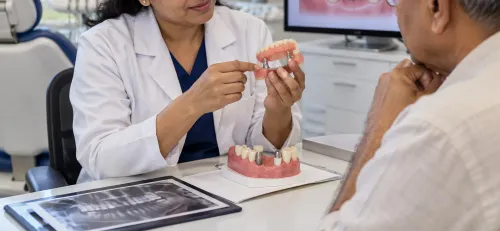
Preservation is preferable when the tooth is restorable and has usable periodontal support. Extraction becomes necessary for an unrestorable tooth, a vertical root fracture, or insufficient support; replacement may then involve an implant, bridge, or removable prosthesis.
Persistent infection does not automatically require extraction. An untreated canal, leakage, new decay, or another diagnosis may be addressed with root canal retreatment or, in selected cases, endodontic microsurgery. Sri Krishna Multispecialty Dental & Implant Studio can assess these factors together before recommending restoration, retreatment, surgery, or removal.
Related service
Pain (RCT) Save Your Natural Tooth with Comfortable, Painless Precision Endodontics Tooth pain, sensitivity to hot or cold, swelling, or deep decay are... View service → |
Frequently asked questions
How does infection reach the centre of a tooth?
Bacteria enter through deep decay, cracks, fractures, or repeated dental work that breaches enamel and dentin. The infection then reaches the pulp, which contains nerves and blood vessels.
How does a dentist confirm that root canal treatment is needed?
A dentist reviews your symptoms, examines the tooth, performs pulp sensitivity tests, checks for tenderness, and uses dental X-rays to assess decay, bone changes, and the root structure.
What happens during root canal treatment, and how many visits does it take?
The dentist numbs and isolates the tooth, removes diseased pulp, cleans and shapes the root canals, fills and seals them, then restores the tooth. The number of visits depends on infection, tooth complexity, and the required restoration.
What should you feel after treatment, and when is it an emergency?
Mild tenderness or sensitivity when biting can follow treatment. Contact your dentist urgently for facial swelling, fever, difficulty swallowing or breathing, uncontrolled pain, or a lost temporary filling.
How do you protect the tooth after a root canal?
Avoid chewing hard foods on the treated tooth until it receives its final restoration. Brush and floss normally, attend the scheduled appointment, and seek care if the tooth cracks or the restoration loosens.