A dull smile does not always have the same cause, so whitening can produce a strong improvement for some stains and little change for others. By identifying the type of discoloration, checking your oral health, and comparing treatment options, you can choose a safer approach and avoid surprises with existing dental work.
Key takeaways
- Surface stains from coffee, tea, tobacco, and food respond best to whitening.
- Get a dental examination before whitening to identify decay, gum disease, or unsuitable restorations.
- Choose in-office whitening, take-home trays, or toothpaste based on your stains and sensitivity.
- Reduce sensitivity with shorter treatments, desensitising toothpaste, and dental guidance.
Which Types of Tooth Stains Respond Best to Whitening?
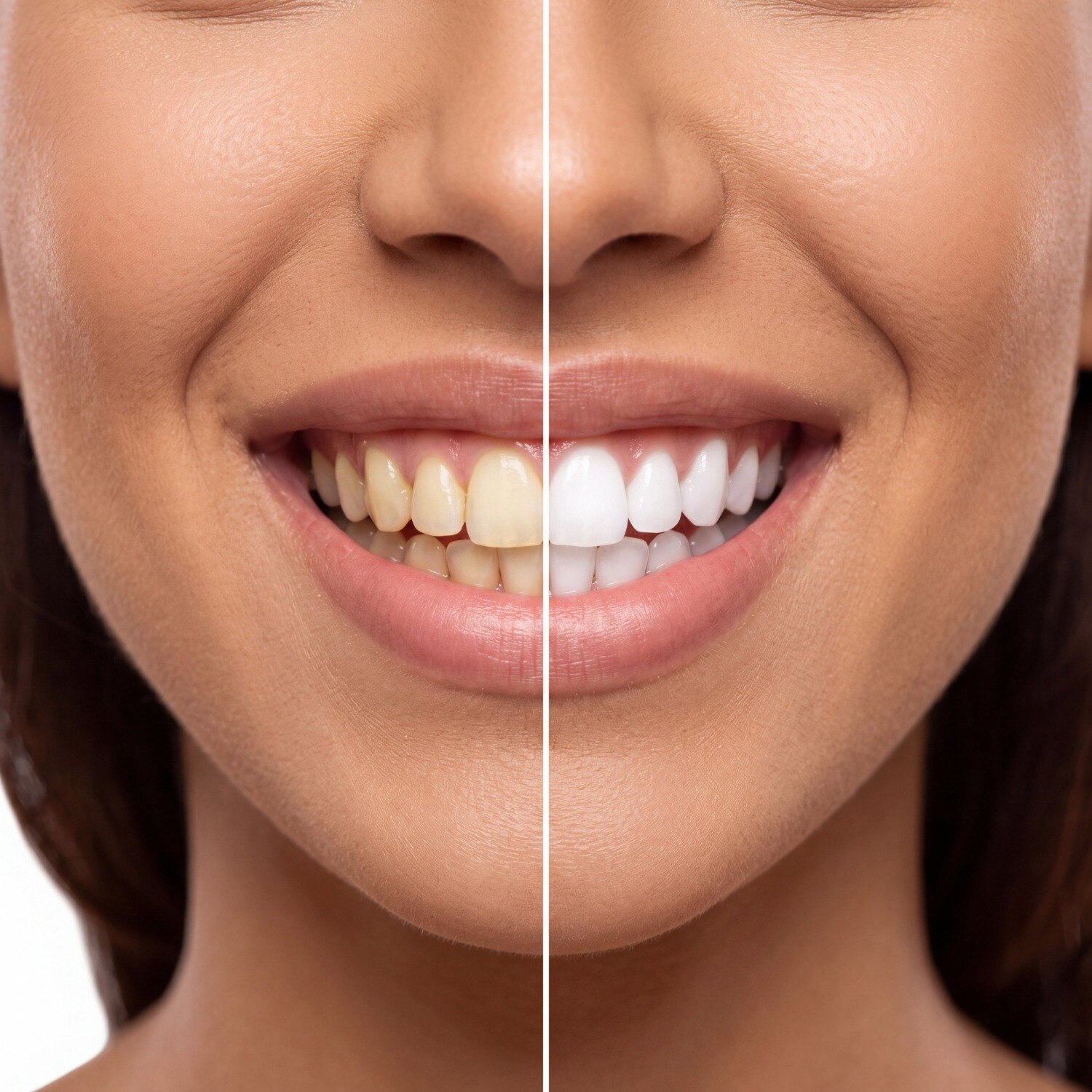
Surface stains respond best to whitening because peroxide can reach the stain molecules more easily. It oxidizes colored compounds in natural enamel and dentin; it does not remove an enamel layer or alter the tooth’s structure.
| Type of discoloration | Common causes | Likely response |
|---|---|---|
| Extrinsic stains | Coffee stains, tea stains, tobacco stains, red wine stains, curry, berries, sauces, and other strongly colored foods | Usually respond well to bleaching |
| Intrinsic discoloration | Tetracycline exposure, fluorosis, trauma affecting the pulp, ageing-related dentin changes, developmental conditions, or some large fillings | May lighten, but results are less predictable |
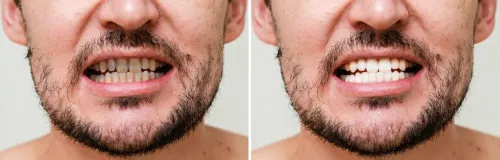
Extrinsic stains sit on or near the enamel surface, so a whitening course can noticeably improve them. Intrinsic discoloration lies within the tooth, where peroxide has less predictable access. A pronounced tetracycline band or fluorosis marking may remain visible after treatment.
A single dark tooth after an injury deserves examination before bleaching. Whitening cannot identify whether the cause is pulp damage, decay, or a defective restoration, and treating the color alone can delay necessary care. If the discoloration does not respond, bonding, veneers, a crown, or another treatment may provide a better match than repeated bleaching.
Why Should a Dental Examination Come Before Whitening?
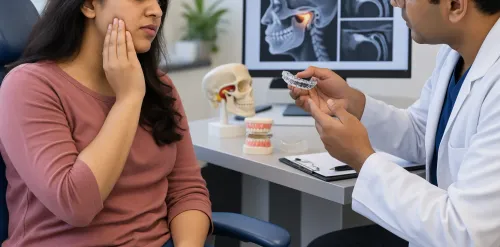
A dental examination before whitening identifies conditions peroxide could make painful or irritating, so have one before bleaching. The dentist should inspect for cavities, cracked teeth, leaking fillings, inflamed or bleeding gums, exposed root surfaces, enamel defects, and untreated sensitivity. These problems can turn routine treatment into sharp pain or gum burning.
1. Point out any single dark tooth. Discoloration in one tooth can follow trauma or pulp disease, not a surface stain; whitening will not treat either cause. Ask for evaluation before attempting to lighten it.
2. Share relevant health details. Tell the dentist if you are pregnant or breastfeeding; elective bleaching is commonly postponed because safety evidence is limited. Children and adolescents should not use whitening products unless a dental professional specifically directs it.
3. Review visible dental work. Crowns, veneers, bridges, fillings, and dental implants do not lighten like natural tooth tissue. If a front-tooth restoration was matched to a darker shade, bleaching can leave it visibly mismatched.
4. Plan the sequence. Your dentist can decide whether whitening is suitable, treat disease first, and explain whether a restoration may need replacement after natural teeth reach the target shade.
This check matters even if sensitivity seems mild: pre-existing sensitivity and enamel or dentin defects raise the chance of discomfort during peroxide exposure.
What Happens During Professional Teeth Whitening?
A professional teeth whitening process begins with an examination and shade recording, not gel. The clinician uses a shade guide or digital photograph to document your starting colour, making later changes easier to compare.
During the appointment, the clinician completes the peroxide gel application in controlled stages:
- Isolate the lips and cheeks, then apply gum protection to keep peroxide away from the soft tissue.
- Apply a measured amount of peroxide gel to the natural teeth being treated.
- Leave the gel in place for the specified exposure period, remove it, and reapply it if the planned protocol includes another cycle.
Some systems add a light or laser. Light activation has not consistently produced a clinically important improvement over peroxide alone, and it can add heat and treatment complexity.
The teeth are rinsed after the final cycle. The clinician checks the gums, records the final shade, and assesses sensitivity before you leave.
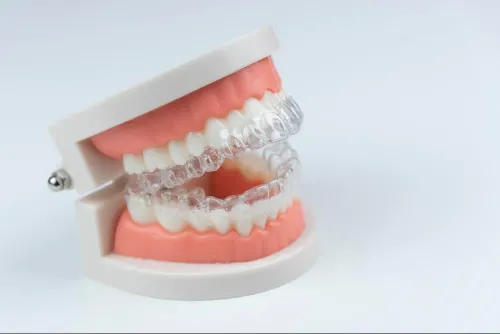
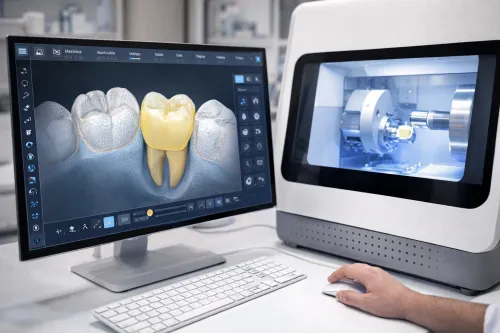
Dentist-supervised whitening at home can include impressions or a digital scan for a custom tray, written instructions, and a schedule for repeated applications. Follow the prescribed gel amount and wear time. Adding gel or extending sessions will not guarantee a faster result, but it can increase sensitivity and gum irritation.
Which Whitening Method Fits Your Stains, Schedule, and Sensitivity?
The best choice depends on your stain, available time, and sensitivity—not simply the strongest product.
| Option | Best fit | Trade-off |
|---|---|---|
| In-office whitening | A faster appointment using higher-concentration peroxide | Higher exposure can increase sensitivity, and faster treatment is not automatically more durable |
| Dentist-supervised take-home trays | Gradual whitening through repeated, lower-concentration applications | Treatment takes longer, but a close-fitting tray limits gel contact with the gums |
| Over-the-counter whitening strips | Mild surface staining at a lower cost | Fit, concentration, instructions, and gum contact vary |
| Whitening toothpaste | Removing surface stains through cleaning ingredients | It will not reliably change deeper intrinsic color |
With dentist-supervised take-home trays, 10% carbamide peroxide is commonly described as releasing about 3.5% hydrogen peroxide. Do not compare percentages without considering the peroxide type and wear time. More gel or longer sessions can irritate gums without producing a better result.
Avoid these do-it-yourself remedies:
- Lemon juice
- Baking soda scrubs
- Charcoal powders
- Household bleach
They can abrade enamel or irritate soft tissue while leaving peroxide exposure uncontrolled. Whitening also changes natural teeth, not fillings, crowns, veneers, bridges, or implants, so treatment can reveal a mismatch.
Sri Krishna Multispecialty Dental & Implant Studio can compare the options against your stain type, sensitivity, restorations, and desired timing instead of treating every dull smile the same way.
Related service
Teeth Whitening Teeth Whitening – Blancone® System Instantly Brighter Smiles with Safe, Painless, and Clinically Proven Technology A bright, radiant smile can make a lasting impression. View service → |
How Long Does Whitening Last, and What Should You Do About Sensitivity?
Whitening is not permanent: new extrinsic stains accumulate, especially with tobacco use and frequent coffee, tea, cola, red wine, or other colored drinks. Whitening maintenance should follow your dentist’s instructions, not a cycle of prolonged or increasingly frequent bleaching. Overuse raises the risk of sensitivity and irritation without reliably changing deep intrinsic discoloration.
Tooth sensitivity after whitening usually feels like a brief, sharp response to cold air, water, or food, and often settles when treatment ends. Gum irritation feels different: the tissue may look white, feel sore, or burn where excess gel touched it.
If symptoms start, use this checklist:
- Pause whitening and avoid very cold or acidic foods and drinks.
- Use desensitizing toothpaste containing potassium nitrate or fluoride.
- Ask your dentist whether shorter exposure or less gel is appropriate.
- Rinse gel off irritated gums and stop until the tissue recovers.
- Ask about a better-fitting tray if gel repeatedly contacts the gums.
- Seek dental review for severe or persistent pain, spontaneous pain, swelling, ulceration, a darkening single tooth, or symptoms that continue after stopping.
Whitening can brighten stained natural teeth, but it cannot recolor dental restorations such as crowns, veneers, bridges, fillings, or implants. It also cannot remove every intrinsic stain, including discoloration linked to fluorosis, tetracycline, trauma, ageing dentin, or large fillings, so a color mismatch can appear after treatment.
Frequently asked questions
Which types of tooth stains respond best to whitening?
Surface stains caused by coffee, tea, tobacco, red wine, and strongly coloured foods respond best. Whitening has less effect on stains from fluorosis, tetracycline, trauma, or ageing restorations.
Why should a dental examination come before whitening?
An examination can identify cavities, cracked teeth, gum disease, exposed roots, and crowns or fillings that will not whiten. Treat these concerns first to reduce discomfort and uneven colour.
What happens during professional teeth whitening?
A dental professional checks your teeth and gums, protects soft tissues, applies a peroxide gel, and controls the treatment time. The gel oxidises coloured compounds without removing enamel.
Which whitening method fits different stains, schedules, and sensitivity levels?
In-office whitening suits people seeking a faster result, while dentist-provided take-home trays allow gradual treatment. Whitening toothpaste mainly removes surface stains and suits maintenance, not deep discolouration.
How long does teeth whitening last, and how can you manage sensitivity?
Results fade as new stains build up and vary with diet, smoking, hygiene, and the type of discolouration. Follow the dentist’s schedule, limit staining drinks, and use desensitising toothpaste if sensitivity develops.