Teeth naturally change colour over time. Coffee, tea, certain foods, tobacco use, ageing, and everyday staining can gradually make a smile appear darker or less vibrant. While whitening toothpaste and home remedies are widely available, they do not work equally well for every type of discoloration.
Professional Teeth Whitening is designed to reduce suitable stains and improve tooth brightness through a controlled dental process. For people in Madhura Nagar, Hyderabad, understanding the cause of discoloration is an important first step before deciding whether whitening is appropriate.
Why Do Teeth Become Discoloured
Tooth discoloration can broadly be divided into surface stains and deeper internal changes.
Surface staining may develop due to:
- Regular consumption of coffee or tea
- Tobacco use
- Dark-coloured foods and beverages
- Inadequate plaque removal
- Natural ageing
Some discoloration develops within the tooth and may be associated with previous dental trauma, certain medications, developmental factors, or changes in the tooth structure. These deeper colour changes may not respond to conventional whitening in the same way as surface stains.
How Professional Whitening Works
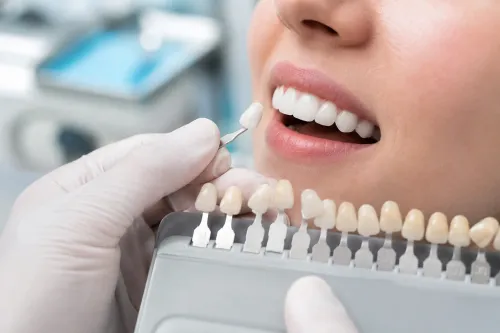
Dental whitening generally uses a whitening agent formulated to break down colour-producing molecules within the teeth. The exact procedure depends on the condition of the teeth, the type of staining, and the whitening system being used.
Before treatment, the dentist may examine the teeth and gums for cavities, cracks, gum inflammation, exposed roots, existing restorations, and sensitivity.
This matters because whitening should ideally be performed on a healthy oral foundation.
What Results Can Be Expected
Whitening can improve the shade of natural teeth, but the degree of improvement varies between individuals. The starting tooth shade, type of staining, enamel characteristics, lifestyle habits, and treatment method can all influence the final appearance.
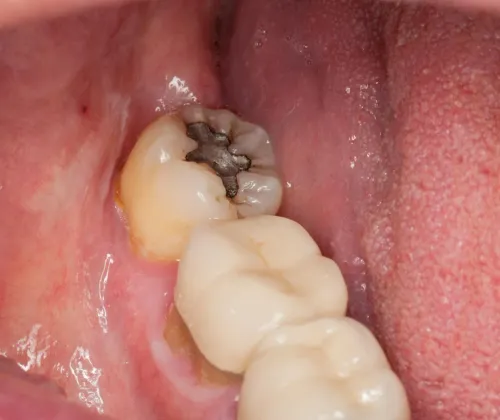
Another important consideration is that crowns, veneers, fillings, and other restorations do not whiten like natural tooth enamel. Someone with visible restorations may therefore need additional planning to maintain a balanced smile.
Is Tooth Sensitivity Possible
Temporary sensitivity is one of the more common concerns associated with whitening. Some people notice sensitivity to cold foods, drinks, or air for a short period after treatment.
A dental evaluation can help identify existing sensitivity before the procedure. The whitening approach may then be adjusted according to individual needs.
Maintaining a Brighter Smile
The effects of whitening are not permanent because teeth remain exposed to staining substances.
Simple habits can help maintain the appearance:
- Brush thoroughly twice daily
- Clean between teeth regularly
- Limit frequent exposure to strongly staining beverages
- Rinse the mouth with water after coffee or tea
- Avoid tobacco products
- Attend periodic dental cleaning appointments
Using whitening products repeatedly without professional guidance is not necessarily better. Excessive or inappropriate use can contribute to sensitivity and gum irritation.
At Sri Krishna Multispecialty Dental and Implant Studio, patients considering whitening can have their teeth and gums assessed before deciding on a suitable cosmetic approach. This is particularly useful when discoloration occurs alongside fillings, crowns, sensitivity, or other dental concerns.
For patients across Hyderabad, professional assessment helps distinguish ordinary staining from colour changes that may require a different dental solution.
A brighter smile begins with understanding why the teeth have changed colour. When whitening is suitable, a carefully planned approach can improve tooth brightness while keeping oral health at the centre of treatment.
Keywords