Losing a tooth can affect much more than your smile. It can make everyday activities like eating, speaking, and smiling feel less comfortable while also affecting your oral health over time. Fortunately, modern dentistry offers a long-lasting solution through dental implants. Designed to look, feel, and function like natural teeth, dental implants have become one of the most trusted options for replacing missing teeth.
Whether you have lost a single tooth or multiple teeth, understanding how dental implants work can help you choose the right treatment for your long-term oral health.
What Are Dental Implants
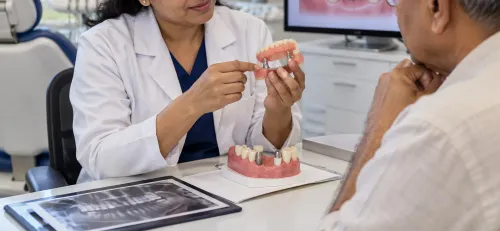
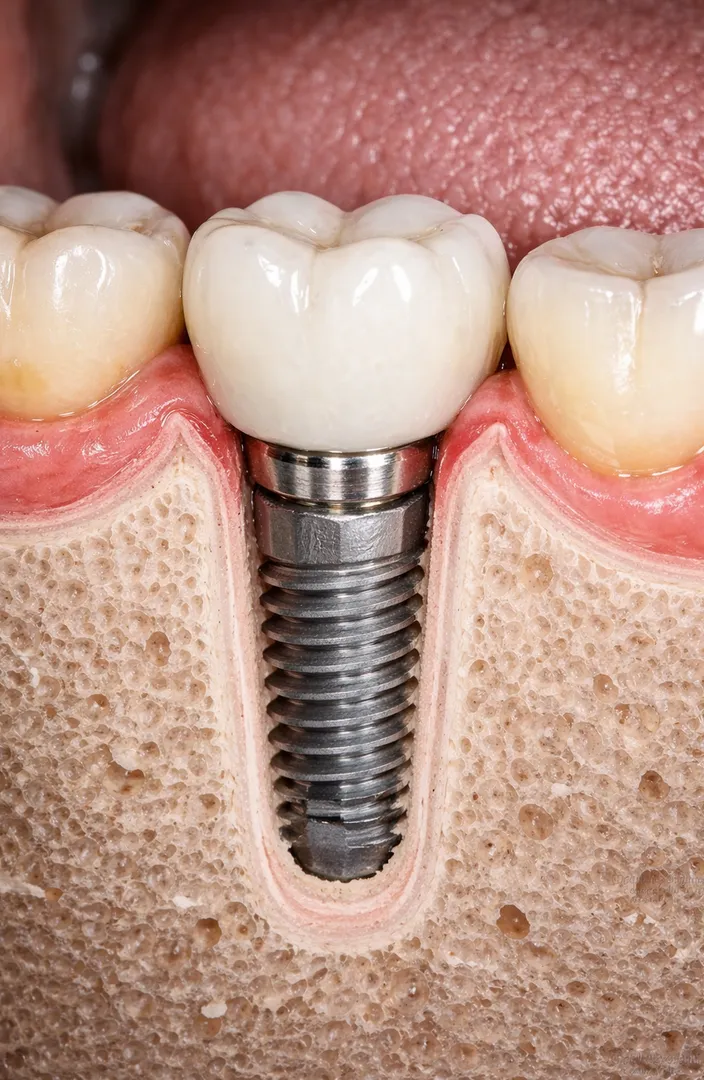
Dental implants are artificial tooth roots made from biocompatible titanium. They are placed inside the jawbone to support a custom-made dental crown, bridge, or denture. Once the implant heals and integrates with the bone through a natural process known as osseointegration, it becomes a strong foundation for replacement teeth.
Unlike removable dentures, implants remain fixed in place and provide stability that closely resembles natural teeth.
Who Is a Good Candidate for Dental Implants
Dental implants are suitable for many adults who have lost teeth because of:
- Severe tooth decay
- Gum disease
- Dental trauma
- Congenital missing teeth
- Failed dental restorations
Before recommending treatment, a dentist evaluates your oral health, gum condition, and jawbone density to determine whether implants are the right choice.
How the Dental Implant Procedure Works
The treatment is completed in carefully planned stages.
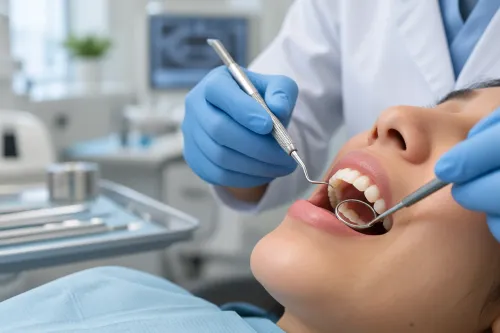
Comprehensive Dental Assessment
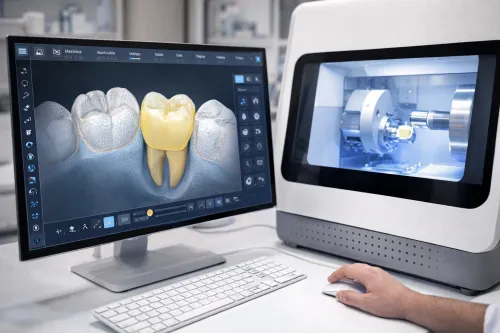
Along with Intra oral scans and 3D imaging to assess bone quality and determine accurate implant position in bone with reference to anatomic tooth position.
Implant Placement
The implant is inserted into the jawbone under local anesthesia. Most patients experience minimal discomfort and return to their daily routine within a short period.
Healing and Bone Integration
Over the next few months, bone cells migrate to the implant surface and starts laying down new bone, through which the implant will be fused in bone and gains load bearing strength.
Placement of the Final Crown
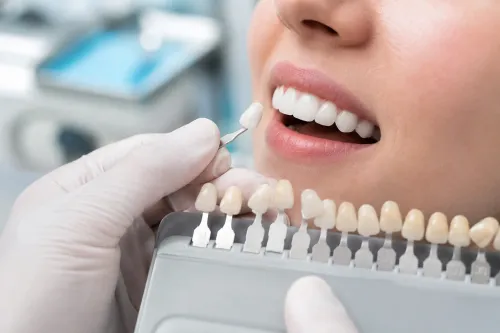
Once the bone healing is completed, customised crown is designed and fabricated, which restores the function and mimicks the natural contours of the missing teeth.
Benefits of Choosing Dental Implants
Dental implants provide several advantages over conventional tooth replacement methods.
Natural Appearance
Implant-supported crowns are carefully matched to nearby teeth, creating a seamless smile.
Comfortable Chewing
Because implants are securely fixed, patients can enjoy a wider variety of foods without worrying about movement.
Preservation of Jawbone Health
Dental implants stimulate the jawbone just like natural tooth roots, helping prevent bone loss after tooth extraction.
Long-Term Durability
With proper oral hygiene and routine dental care, implants can remain functional for decades.
Improved Speech
Unlike loose dentures, implants stay firmly in place, making speaking easier and more comfortable.
Are Dental Implants Safe?
Although Dental implants are highly successful in controlled systematic diseases, certain health conditions or habits, such as smoking, may require additional evaluation and screening before treatment
Caring for Dental Implants
Maintaining implants is simple when good oral hygiene becomes part of your daily routine.
Recommended care includes:
- Brushing twice every day
- Cleaning between teeth with floss or interdental brushes
- Using an antibacterial mouth rinse if advised
- Scheduling regular dental check-ups
- Avoiding habits that may damage the crown, such as biting hard objects
Frequently Asked Questions
Do Dental Implants Hurt
Modern implant procedures are performed under local anesthesia, making treatment comfortable. Mild soreness afterward usually improves within a few days.
How Long Do Dental Implants Last
With proper maintenance, dental implants can remain healthy and functional for many years.
Can Older Adults Get Dental Implants
Age is rarely a limitation. Overall oral health and adequate jawbone support are more important factors.
Why Careful Treatment Planning Makes a Difference
Advanced diagnostic technology has made dental implant treatment more accurate and predictable than ever before. Clinics that use digital imaging and personalized treatment planning can improve precision while ensuring better long-term outcomes.
Patients looking for dental implants in Madhura Nagar, Hyderabad, can benefit from a comprehensive evaluation that considers their individual oral health needs before treatment begins. Sri Krishna Multispecialty Dental and Implant Studio follows a patient-focused approach by combining advanced technology with experienced clinical care to restore missing teeth with confidence and long-lasting results.
Keywords