Bleeding gums are often dismissed because they may cause little or no pain. Yet persistent bleeding, swelling, bad breath, gum recession, and loose teeth can indicate a problem involving the tissues that support the teeth.
When plaque and hardened deposits extend below the gum line, routine surface cleaning may not be enough. Scaling and Root Planing may then be recommended as part of periodontal treatment.
For patients in Madhura Nagar, Hyderabad, understanding when deeper gum cleaning is needed can help prevent gum symptoms from being treated as merely cosmetic concerns.
What Is the Difference From Routine Dental Cleaning
A routine professional cleaning is generally intended to remove plaque, calculus, and staining as part of preventive dental care.
Scaling and root planing is used in the management of periodontal disease when deposits and inflammation involve areas beneath the gum line.
Scaling removes plaque and hardened calculus from tooth surfaces, including deeper areas when indicated. Root planing focuses on cleaning and smoothing affected root surfaces so that the periodontal tissues can heal more effectively.
Signs That Need a Gum Assessment
A periodontal evaluation may be advisable when someone experiences:
- Gums that bleed repeatedly
- Persistent bad breath
- Red or swollen gums
- Gum recession
- Increasing spaces between teeth
- Tooth mobility
- Pus around the gums
- Discomfort while chewing
Gum disease can sometimes progress with limited pain, which is why waiting for severe discomfort is not a reliable strategy.
How Dentists Decide Whether Deep Cleaning Is Needed
Treatment should be based on periodontal findings rather than bleeding alone.
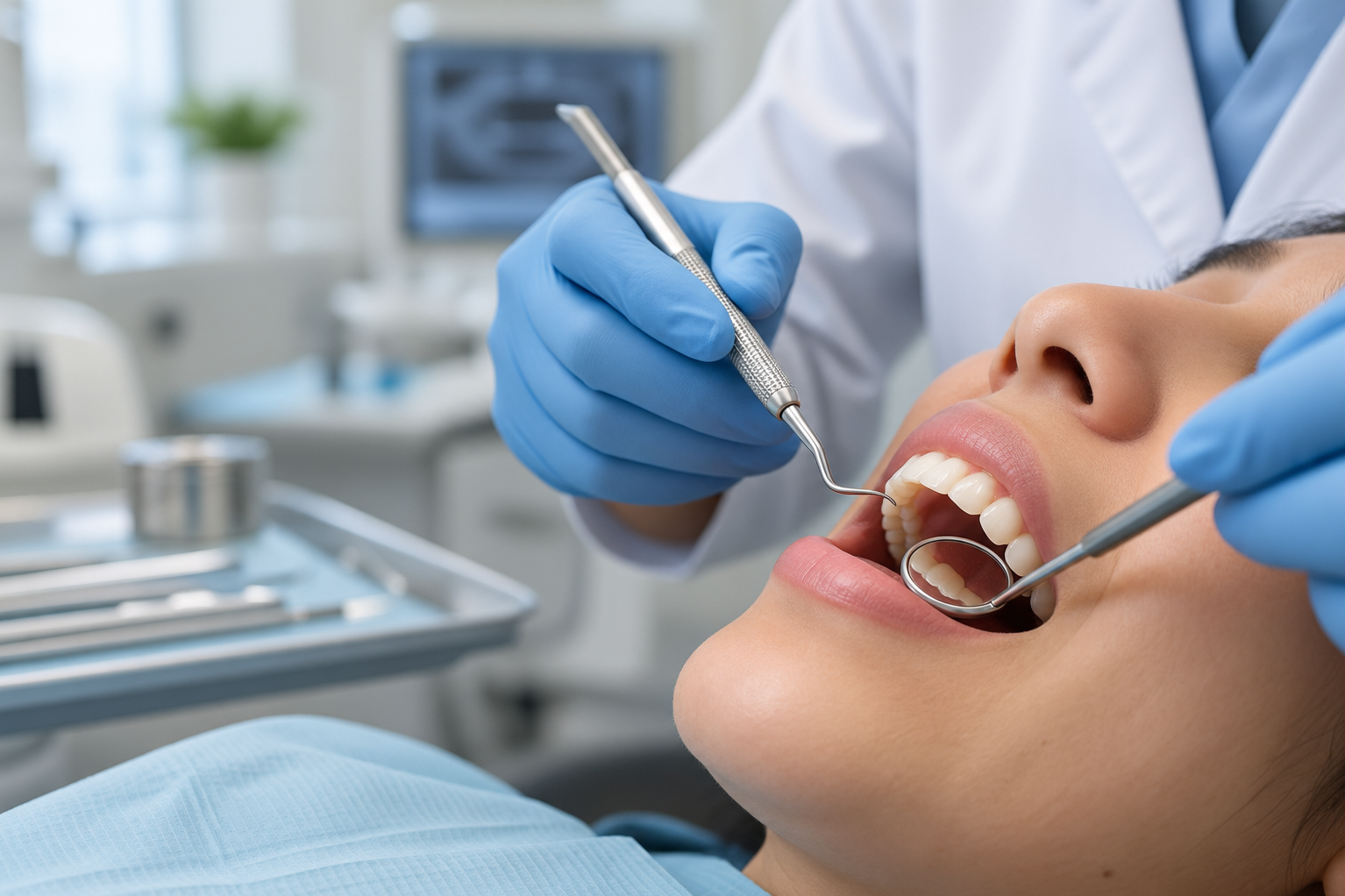
Assessment may include measuring the spaces between teeth and gums, checking bleeding, evaluating tooth mobility, examining gum recession, and reviewing bone levels through appropriate dental imaging.
The dentist can then determine whether routine cleaning is adequate or periodontal therapy is required.
What Happens During Treatment
The mouth may be treated in sections depending on the extent of disease and patient comfort.
Local anaesthesia can be used when necessary to make deeper cleaning more comfortable.
After treatment, patients may notice temporary sensitivity or gum tenderness. As inflammation decreases, swollen gums may also become less puffy, making the existing recession more noticeable.
Home Care Determines What Happens Next
Professional treatment removes deposits that patients cannot effectively clean at home, but daily plaque control remains essential.
After periodontal therapy, patients may be advised to improve:
- Toothbrushing technique
- Interdental cleaning
- Cleaning around crowns and bridges
- Maintenance of implant areas
- Regular periodontal reviews
Smoking and poorly controlled systemic factors can also influence periodontal health and should be considered during treatment planning.
How to Select the Right Gum Care Approach
Patients being advised to undergo deep cleaning should understand the diagnosis and extent of periodontal involvement.
Ask whether periodontal pockets are present, whether bone loss has been identified, how many areas require treatment, and when the gums will be reassessed.
At Sri Krishna Multispecialty Dental and Implant Studio, periodontal evaluation can help determine whether gum symptoms require routine preventive cleaning or more extensive periodontal care.
This is particularly important for patients in Hyderabad, who experience repeated bleeding but have postponed dental evaluation because there is no significant tooth pain.
Scaling and root planing is not simply a more intensive version of routine cleaning. It is a periodontal treatment used when disease affects deeper supporting tissues around the teeth. Early assessment, appropriate treatment, effective daily plaque control, and scheduled maintenance can all contribute to keeping the gums and natural teeth healthier over the long term.
Keywords