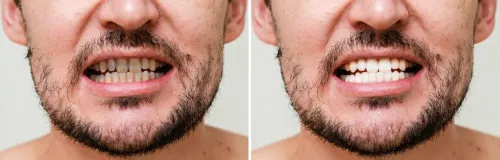
Crooked or misaligned teeth can affect both appearance and oral health. Modern orthodontics offers more than one way to achieve a well-aligned smile, with clear aligners and conventional braces being two of the most common options. Understanding how each treatment works helps patients choose the solution that best fits their lifestyle and dental needs.
While both treatments aim to move teeth into better positions, they differ in appearance, comfort, maintenance, and treatment planning.
What Are Clear Aligners
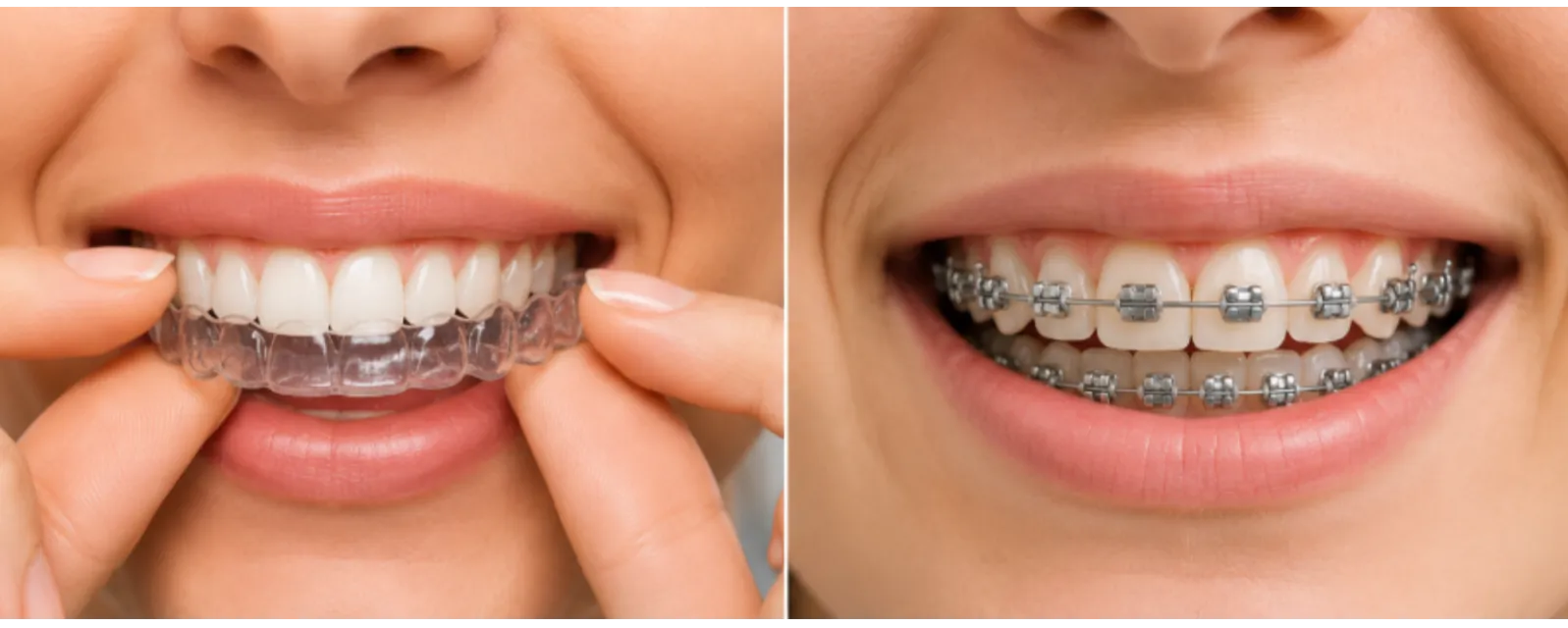
Clear aligners are transparent, removable trays that gradually move teeth using carefully planned pressure. Each set of aligners is worn for a specific period before progressing to the next stage.
Because they are nearly invisible, many teenagers and adults prefer them for aesthetic reasons.
What Are Traditional Braces
Traditional braces use metal or ceramic brackets attached to the teeth and connected by orthodontic wires. Regular adjustments gradually guide the teeth into proper alignment.
Braces have been successfully used for decades and remain highly effective for treating complex orthodontic problems.
Comparing Clear Aligners and Braces
Appearance
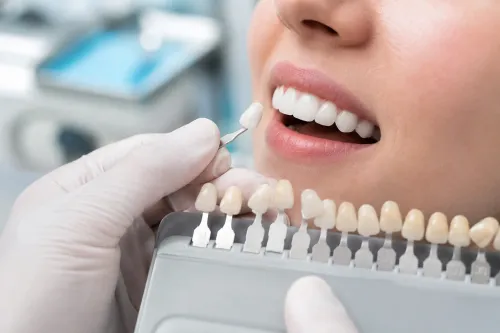
Clear aligners are almost invisible during daily activities, while braces are more noticeable despite the availability of tooth-colored ceramic options.
Comfort
Aligners generally have smooth edges that reduce irritation. Braces may cause temporary discomfort after adjustments because of brackets and wires.
Oral Hygiene
Since aligners can be removed, brushing and flossing are usually easier. Braces require more careful cleaning around brackets to prevent plaque buildup.
Food Restrictions
Patients remove aligners before eating, allowing them to enjoy most foods. Braces require avoiding sticky, hard, or chewy foods that could damage the brackets.
Treatment Complexity
Both systems can effectively correct many orthodontic issues. However, certain complex bite problems may still benefit from traditional braces depending on the clinical diagnosis.
Who Is a Good Candidate for Clear Aligners
Clear aligners may be suitable for patients with:
- Mild to moderate crowding
- Small gaps between teeth
- Minor bite corrections
- Relapse after previous orthodontic treatment
Successful treatment also depends on wearing the aligners for the recommended number of hours every day.
Who May Benefit More from Braces
Traditional braces may be recommended for:
- Significant crowding
- Complex bite problems
- Severe tooth rotation
- Growing children with developing jaws
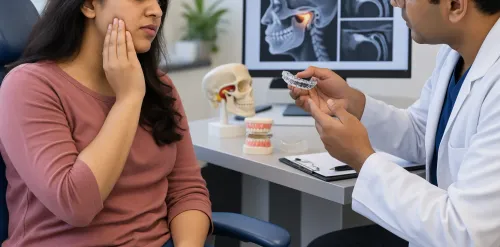
Your dentist or orthodontist will recommend the most appropriate treatment after a detailed evaluation.
Factors to Consider Before Choosing
When deciding between aligners and braces, patients should think about:
- Treatment goals
- Daily routine
- Aesthetic preferences
- Budget
- Oral hygiene habits
- Treatment complexity
A personalized consultation helps determine the most suitable option.
Frequently Asked Questions
Are Aligners Faster Than Braces
Treatment duration varies depending on the complexity of each case. Mild cases may be completed quickly with aligners, while more complicated cases require additional time regardless of the system used.
Do Aligners Hurt
Patients may experience mild pressure when changing to a new set of aligners, which usually subsides within a few days.
Can Adults Straighten Their Teeth
Yes. Orthodontic treatment is suitable for adults as long as their gums and supporting bone are healthy.
Making an Informed Orthodontic Decision
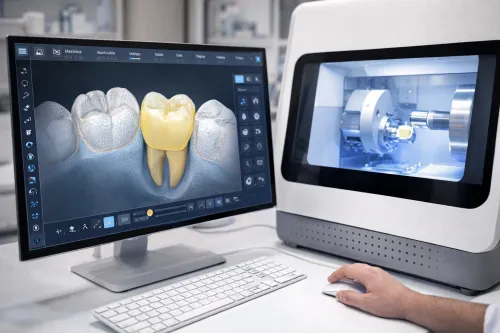
Every smile is unique, and no single orthodontic treatment is right for everyone. A detailed examination, digital imaging, and personalized treatment planning help determine which option provides the best long-term outcome.
Patients exploring aligners in Madhura Nagar, Hyderabad, can benefit from modern orthodontic solutions tailored to their individual needs. Sri Krishna Multispecialty Dental and Implant Studio uses advanced diagnostic technology and customized treatment planning to help patients achieve healthier, well-aligned smiles with solutions that fit their lifestyle and oral health goals.
Keywords