Several damaged or missing teeth do not automatically mean you need every tooth rebuilt. The decision depends on the pattern of damage, the health and prognosis of individual teeth, chewing function, bite forces and your ability to maintain treatment. By the end, you will know which findings justify a coordinated plan, what the process involves and what to ask before agreeing to it.
Key takeaways
- Multiple failing teeth can require one coordinated plan, not isolated restorations.
- Ask which teeth can be saved and which need replacement after assessment.
- Confirm the treatment sequence, provisional testing, total cost, and maintenance schedule.
- Address grinding, gum disease, decay, and bite problems before final restorations.
When the Pattern of Damage Calls for More Than One or Two Restorations
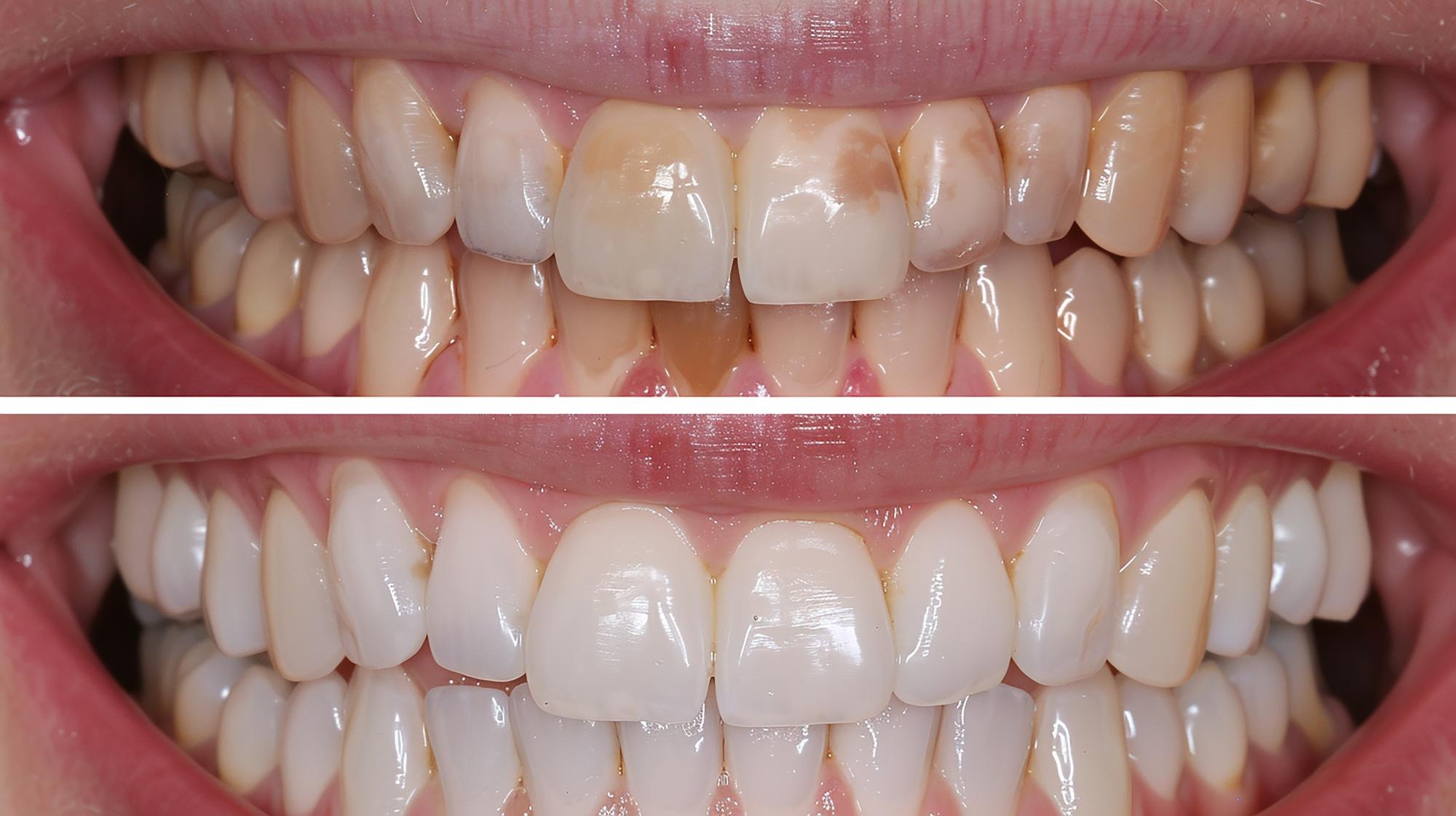
Full-mouth rehabilitation becomes reasonable when damage is distributed across the mouth and affects chewing, bite stability, appearance, or the long-term survival of several teeth. A practical full-mouth rehabilitation definition is coordinated treatment for many teeth and, when necessary, the supporting gums and bone—not a requirement to crown every tooth or place implants.
Patterns that point beyond one or two restorations include:
- Multiple failing crowns, bridges, or large fillings across different areas
- Widespread tooth decay that has weakened several teeth
- Severely worn teeth with shortened surfaces, sensitivity, or loss of bite height
- Repeated fractures, especially in root-filled or heavily restored back teeth
- Missing teeth combined with drifting, bite changes, or difficulty chewing
- Gum disease with bone loss affecting several teeth
The number of missing teeth alone does not decide the issue. A few strategically important gaps might need only a partial denture, bridge, or implant, while widespread damage can make isolated repairs unstable.
Your dentist should judge whether the remaining teeth can work as one stable system. The plan usually proceeds in stages rather than one visit: urgent pain or infection comes first, followed by disease control, temporary restorations, testing, and definitive treatment.
If a tooth proves unrestorable or the temporary bite feels wrong, the plan must change before final crowns, bridges, or replacements are made.
How Dentists Assess Each Tooth and Choose Between Saving or Replacing It
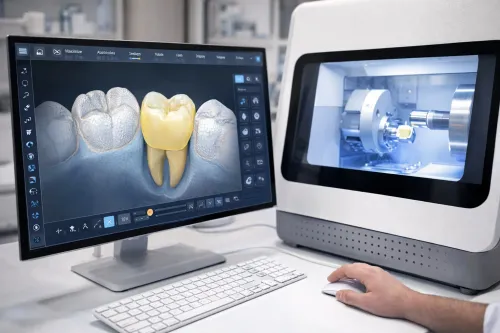
A tooth is not selected for a crown, implant, or extraction by appearance alone. The dentist reviews your medical and dental history, examines the gums, checks your bite and jaw joints, and records photographs, digital scans, and bite measurements. Periodontal charting records pocket depths, bleeding, mobility, and attachment loss.
X-rays show decay, bone support, root shape, and previous root-canal quality; a CBCT scan adds a three-dimensional view when implants, complex roots, fractures, or nearby nerves require it.
The key question is whether to preserve natural teeth or extract them. Dentists assign a tooth-by-tooth prognosis by weighing:
- Remaining sound tooth structure, cracks, decay depth, root-canal status, and ability to seal the tooth with a restoration.
- Gum support, bone loss, mobility, infection, and the tooth’s position in the bite.
- Your diabetes control, smoking, grinding, dry mouth, oral hygiene, medications, healing capacity, and ability to attend maintenance visits.
| Option | What the assessment must show | Typical use |
|---|---|---|
| Save and restore | Enough structure and stable gum support | Filling, onlay, or crown |
| Root-canal treatment then restore | Treatable infection with a restorable tooth | Remove infected pulp and protect weakened cusps |
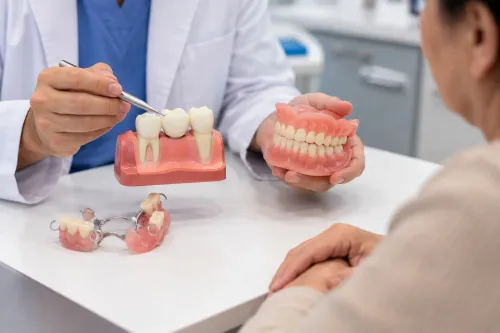
| Extract and replace | Unrepairable fracture, severe decay, or inadequate support | Implant, bridge, or removable partial denture |
Sri Krishna Multispecialty Dental & Implant Studio can use this tooth-by-tooth record to distinguish a tooth needing protection from one better removed, rather than assuming every damaged tooth needs a crown or implant.
The overall plan is suitable only when disease is controlled and the proposed restorations match your cleaning ability, bite, health, and maintenance commitment.
Related service
Crowns & Bridges Rebuilding Smiles, Restoring Confidence and Function – Digitally and Precisely Full-mouth rehabilitation is a comprehensive dental treatment that... View service → |
How a Full-Mouth Plan Is Sequenced and Tested Before Final Restorations
Treatment starts with stabilising the mouth, not placing crowns. The dentist addresses pain, urgent infection, active decay and gum inflammation before planning definitive restorations; otherwise new crowns or implants are exposed to the same disease that damaged the original teeth.
- Disease control comes first: hygiene instruction, periodontal treatment, fillings, extractions and root canal treatment are completed where indicated.
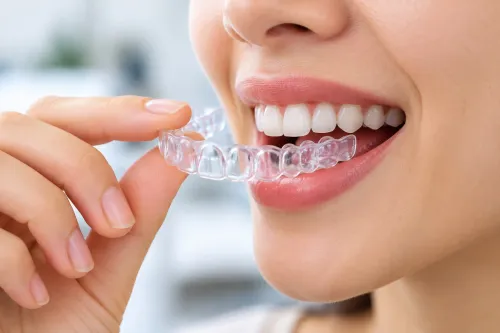
- The bite and tooth positions are corrected next when needed. Orthodontics before restorative treatment can create space, improve tooth alignment and reduce the amount of tooth structure that must be removed.
- Provisional restorations replace or cover damaged teeth while the mouth is tested. They help assess chewing, speech, tooth length, appearance, gum response and comfort in the jaw joints.
- The dentist reviews the provisional teeth and adjusts their shape or bite before ordering final crowns, bridges, dentures or implant restorations.
- Definitive restorations are placed after the tissues are healthy and the design works under normal function, followed by maintenance appointments.
Provisional restorations are not simply placeholders. They can chip, loosen or feel unfamiliar, so report persistent pain, difficulty chewing, changes in speech or a bite that feels uneven rather than adapting silently. Their period may be short during disease control or longer when gum healing, implant integration or orthodontic movement is required.
Expect a staged timeline with review points, not one guaranteed completion date. A tooth that worsens, delayed healing or a provisional that fails the functional test can change the order before permanent work is made.
Why Teeth Keep Failing and When Extensive Rehabilitation Is the Wrong Choice
Definitive crowns, bridges or implants should wait until the reason teeth are failing is under control. Active decay, infection, uncontrolled gum disease, acid erosion, and poor plaque removal can damage new work just as they damaged the original teeth.
Bruxism and clenching also need assessment because excessive force can fracture teeth, loosen restorations or overload implants.
Control these problems before committing to extensive treatment:
- Treat active cavities, infections and gum inflammation, then show consistent daily cleaning.
- Identify acid erosion from reflux, vomiting, acidic drinks or foods, and reduce the exposure.
- Address bruxism and clenching with a suitable protective plan, rather than assuming restorations will tolerate the force.
- Stop smoking where possible, manage dry mouth, and confirm that medical conditions and medications will not undermine healing.
- Confirm that you can attend reviews and maintain implants, bridges and gum tissues over time.
| Risk after treatment | What can happen | What reduces it |
|---|---|---|
| Recurrent decay | A crown margin or remaining tooth can decay, threatening the restoration | Fluoride, plaque control and examinations |
| Gum or implant inflammation | Periodontitis or peri-implantitis can cause bone loss; implant failure remains possible | Periodontal treatment and professional maintenance |
| Fracture or loosening | Grinding, clenching or biting hard objects can crack teeth, crowns or bridges | Force control, sensible diet and a protective appliance |
| Changing conditions | Dry mouth, reflux or shifting teeth can compromise the plan | Regular reassessment and early adjustment |
If disease control or maintenance is unrealistic, staged or limited treatment is safer than rebuilding everything at once.
The Cost, Maintenance and Questions That Define a Complete Treatment Plan
A complete plan demands more than chair time. Expect disease-control visits, possible extractions or root-canal treatment, gum care, temporary teeth, healing periods, bite checks and several appointments for final restorations. The full-mouth rehabilitation cost should separate each phase, laboratory fees, imaging, provisional work and likely repairs rather than present one unexplained total.
Daily cleaning, review visits and implant and crown maintenance continue after treatment.
| Approach | Effort and timing | Main trade-off |
|---|---|---|
| Full-mouth treatment in coordinated phases | Several linked appointments with temporary testing and healing intervals | Better control of the overall bite, but greater cost and coordination |
| Staged dental treatment | Treat urgent disease and the highest-risk teeth first, then continue by priority | Spreads payments and physical effort, but untreated problems can change the later plan |
| Limited treatment or fewer restorations | Address pain, infection or function without rebuilding every affected area | Lower initial commitment, but remaining damage and uneven forces may persist |
Ask for a written proposal that states:
- The diagnosis, cause of damage and tooth-by-tooth prognosis, including which teeth are maintainable.
- Every proposed procedure, its sequence, expected temporary phase and conditions that could change the order.
- Treatment plan alternatives, such as fewer restorations, a partial denture, a bridge or no implant at a particular site.
- The full-mouth rehabilitation cost by phase, plus exclusions, estimated repair costs and payment timing.
- The maintenance schedule, home-care requirements and what happens if a crown, implant or supporting tooth later fails.
Frequently asked questions
When might full-mouth rehabilitation be needed?
It may be considered when damage affects several teeth and compromises chewing, bite stability, appearance, or the long-term survival of existing teeth.
How do dentists decide whether to save or replace a tooth?
They assess each tooth, its supporting gums and bone, infection or decay, structural strength, function, and its role in the overall bite before choosing restoration, treatment, extraction, or replacement.
How is a full-mouth rehabilitation plan sequenced?
Dentists first control disease and stabilise the mouth, then use planned stages and provisional restorations to test comfort, appearance, chewing, and bite before completing final work.
When is extensive rehabilitation the wrong choice?
It is the wrong choice when the underlying causes of failure remain uncontrolled, the proposed work cannot be maintained, or a simpler treatment can restore health and function.
What should you ask before accepting a complete treatment plan?
Ask for the findings for every tooth, alternatives to saving or replacing it, treatment stages, provisional testing, total and maintenance costs, expected lifespan, and follow-up requirements.