Bleeding, deep gum pockets, or bone changes on an X-ray can signal a problem that a routine cleaning cannot reach. You will learn how dentists decide whether scaling and root planing is appropriate, what the appointments involve, how to manage recovery, and how follow-up protects the tissues that hold your teeth in place.
Key takeaways
- Pocket depth, calculus and attachment loss guide the treatment decision.
- Scaling removes deposits; root planing smooths contaminated root surfaces.
- Tenderness and sensitivity after treatment usually improve with careful home care.
- Follow-up measurements show whether inflammation and periodontal pockets are controlled.
How does a dentist decide whether scaling and root planing is needed?
A dentist recommends scaling and root planing when examination shows inflamed periodontal pockets with subgingival calculus, attachment loss, or both. Symptoms alone are unreliable: active periodontitis can cause little or no pain.
| Finding | Gingivitis versus periodontitis | Effect on treatment decision |
|---|---|---|
| Gum-pocket measurements in millimetres | Gingivitis may cause swollen gums and shallow or false pockets without attachment loss. Periodontitis produces deeper pockets with clinical attachment loss. | Shallow sites usually need routine professional scaling and improved plaque control; deeper infected sites may need subgingival treatment. |
| Bleeding on probing | Bleeding indicates inflamed tissue but does not prove periodontitis by itself. Persistent bleeding alongside attachment loss supports a periodontitis diagnosis. | Bleeding sites are recorded and reassessed; persistent deep bleeding pockets strengthen the case for scaling and root planing. |
| Subgingival calculus | Calculus below the gumline traps biofilm and cannot be removed through brushing alone. | Deposits inside periodontal pockets require instruments that reach beneath the gumline. |
| X-ray bone levels | Bone loss around teeth supports a diagnosis of periodontitis; gingivitis does not destroy supporting bone. | Bone loss helps determine disease extent and whether nonsurgical treatment is sufficient. |
| Mobility, recession, or furcation involvement | These findings suggest damage to supporting tissues rather than uncomplicated gingival inflammation. | The dentist may plan periodontal treatment, closer monitoring, or specialist care. |
A dentist also considers plaque control, medical history, smoking, tooth anatomy, and whether the pocket can be cleaned effectively at home. Scaling and root planing is not the routine answer for uncomplicated gingivitis without attachment loss. It is chosen when deposits and inflammation lie below the gumline, where a regular cleaning cannot reach.
What happens during scaling and root planing, and how many visits are needed?
Routine scaling removes plaque and calculus above and just below the gumline; it is professional scaling for uncomplicated buildup and gingivitis. Deep cleaning usually describes scaling and root planing, a nonsurgical periodontal treatment for deposits inside periodontal pockets.
| Treatment | What it means | When it applies |
|---|---|---|
| Routine scaling | Removes accessible plaque and calculus with hand instruments or an ultrasonic scaler | Gingivitis or surface buildup without deep pockets |
| Deep cleaning | Patient-friendly term for cleaning beneath the gumline | Periodontitis with subgingival deposits and bleeding pockets |
| Root planing | Cleans and smooths accessible root surfaces without aggressively stripping cementum | Part of deep cleaning when calculus and biofilm cling to roots |
The clinician usually divides the mouth into four quadrants. One quadrant may be treated per appointment, or several quadrants may be completed in one visit, depending on pocket depth, sensitivity, inflammation, and the amount of calculus.
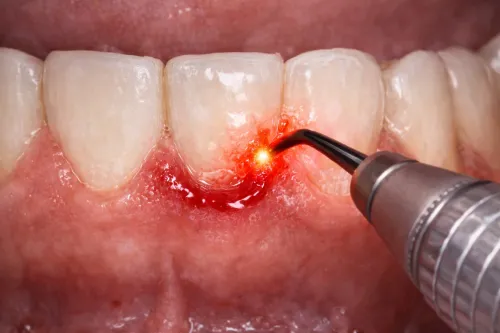
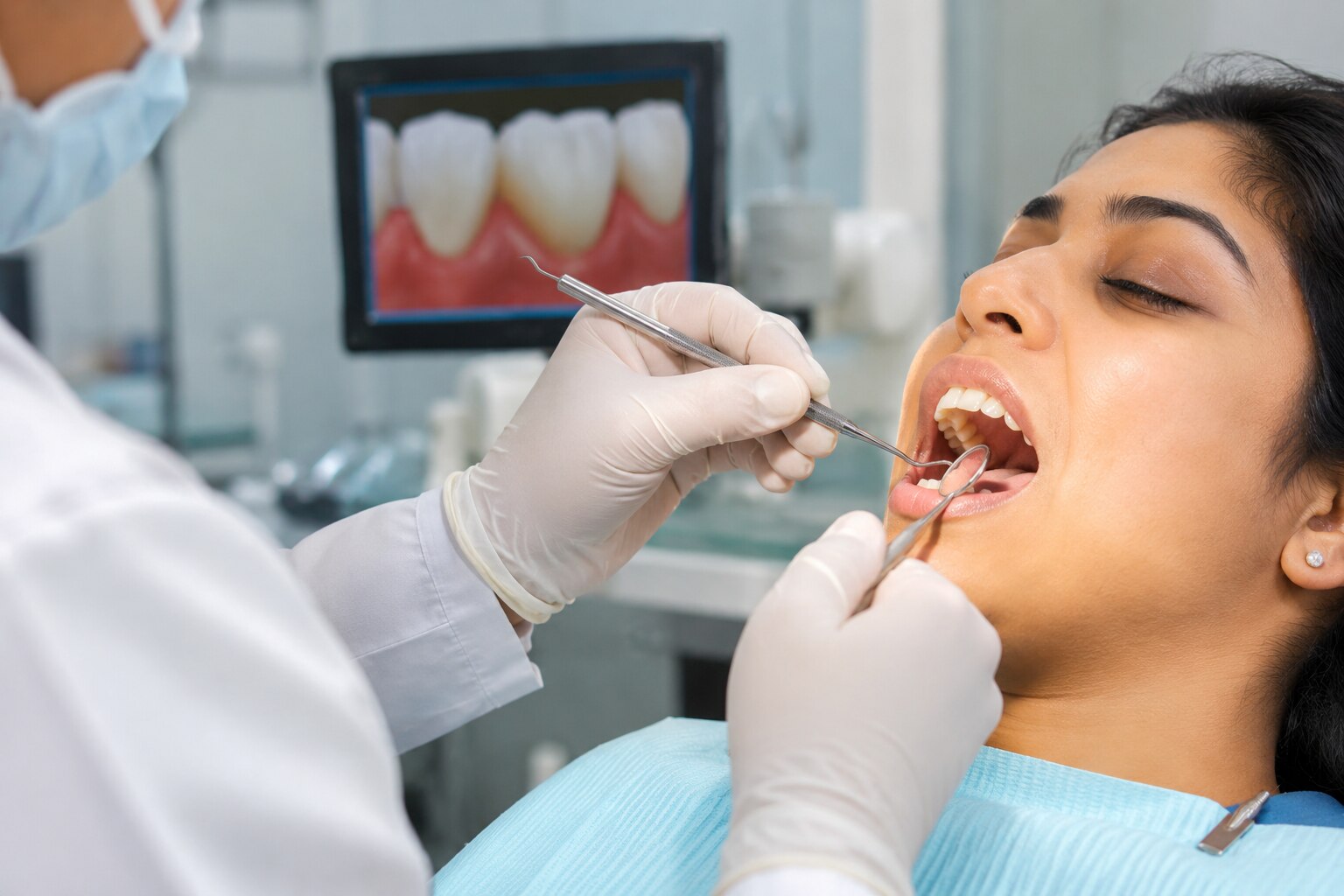
Subgingival instrumentation uses a fine hand curette, an ultrasonic scaler, or both. Local anaesthetic numbs the gums when pockets are deep or the roots are sensitive. Water irrigation cools the ultrasonic tip and flushes loosened debris; it does not sterilize the pocket.
A quadrant appointment commonly takes about 45 to 90 minutes. One visit suits limited disease, good tolerance, and accessible deposits. Multiple visits provide better comfort and visibility when all four quadrants need treatment, deposits are heavy, or anaesthesia and treatment time must be limited. The dentist will set the sequence after examining your mouth.
What will you feel during recovery, and what reduces discomfort?
Pressure, vibration, and water spray are normal during instrumentation. Local anaesthetic should prevent sharp pain, although you can still feel movement and firm pressure. Tell the clinician if an area feels painful rather than merely uncomfortable; more anaesthetic can be given.
For several days, expect gum tenderness and minor bleeding when you brush or floss inflamed areas. Tooth sensitivity after scaling is common, especially with cold drinks, because swollen gums shrink and previously covered root surfaces become exposed. Teeth can look longer for the same reason.
Root exposure often reflects earlier recession or attachment loss becoming visible, not damage caused by careful subgingival treatment.
Reduce discomfort with these steps:
- Take the pain medicine recommended for you, and do not exceed its labelled dose.
- Avoid very hot food and chewing until numbness from local anaesthetic has completely worn off.
- Brush with a soft-bristled toothbrush and clean between teeth gently; stopping plaque removal allows inflammation to return.
- Choose lukewarm, soft foods for the first day if chewing feels sore.
- Use chlorhexidine rinse only when prescribed, following the stated concentration and duration. Do not swallow it, dilute it, or use it indefinitely; altered taste and surface staining can occur.
- Avoid smoking and vigorous rinsing while bleeding persists. Contact the dental team if bleeding does not settle with gentle pressure, or if pain and swelling worsen instead of improving.
How does treatment protect supporting tissues, and what can it not repair?
Removing subgingival biofilm and calculus lowers the bacterial load beneath the gumline. That reduction calms inflammation, so bleeding and swelling can decrease and the gum margin can fit more closely around the tooth.
With less irritated tissue, you can also clean the area more effectively each day, helping protect the periodontal supporting tissues from further damage.
The treatment does not sterilize periodontal pockets. Bacteria remain in the mouth, and biofilm can return if daily plaque control is poor. Scaling and root planing also cannot regrow advanced periodontal bone loss; lost ligament and bone do not simply rebuild after deposits are removed.
Residual defects that remain difficult to clean may need periodontal surgery or regenerative treatment.
A reduction in inflammation does not automatically reverse tooth mobility. Movement caused mainly by inflamed tissues may improve, but mobility linked to substantial attachment or bone destruction can persist. The response is less predictable where furcation involvement, root grooves, deep pockets, or root concavities trap biofilm beyond the reach of instruments.
Persistent bleeding, deep sites, or mobility after healing signals a need for reassessment rather than proof that all supporting tissue can be restored nonsurgically.
How is the result checked, and when is further periodontal care needed?
The result is checked at a periodontal reassessment after healing, not immediately after instrumentation. The clinician looks for reduced inflammation and compares the findings with your starting records.
The measurements that guide the next decision include:
- Pocket depth in millimetres and whether bleeding occurs during probing
- Clinical attachment levels, including changes caused by recession
- Plaque levels and your ability to clean around each tooth
- Tooth mobility and discomfort
- Furcation involvement, where bone loss affects the area between molar roots
- New or persistent symptoms, swelling, or pus
Daily plaque control determines how long the improvement lasts. Brush twice daily with a soft-bristled toothbrush, clean between teeth with floss or interdental brushes, and attend supportive periodontal care at an interval based on your pocket depths, bleeding, risk factors, smoking and diabetes control, and cleaning ability.
Residual deep pockets that continue to bleed need attention rather than a passively delayed review. Deep or anatomically difficult sites, including furcations, root grooves, and concavities, can retain biofilm after nonsurgical treatment; the clinician may repeat targeted instrumentation, adjust home care, or refer you to a periodontist.
At Sri Krishna Multispecialty Dental & Implant Studio, ask for pocket measurements and bleeding findings to be recorded so each review shows whether treatment is working. Persistent inaccessible defects may require periodontal surgery or regenerative treatment; these options address selected areas but do not guarantee replacement of all lost bone.
Related service
Bleeding Gums Gum Treatments (Periodontics) Healthy Gums, Healthy Smile – Advanced Care for Bleeding Gums, Gum Recession, and Bone Loss Gums are the foundation of... View service → |
Frequently asked questions
How does a dentist decide whether scaling and root planing is needed?
The decision is based on periodontal pocket measurements, subgingival calculus, bleeding, inflammation and attachment loss—not pain alone.
What happens during scaling and root planing, and how many visits are needed?
The dentist removes plaque and calculus above and below the gumline, then smooths affected root surfaces. Visit count depends on disease extent, the number of treated areas and your response to care.
What will you feel during recovery, and what reduces discomfort?
You may notice gum tenderness, minor bleeding or temperature sensitivity. Follow the dentist’s cleaning instructions, use recommended pain relief and avoid irritating foods while tissues settle.
How does treatment protect supporting tissues, and what can it not repair?
Removing bacterial deposits reduces inflammation and helps stop ongoing tissue damage. It cannot regrow lost bone or reverse established attachment loss.
How is the result checked, and when is further periodontal care needed?
The dentist rechecks pocket depths, bleeding, inflammation and tissue attachment. Further periodontal care is needed when deep pockets, bleeding or disease progression persists.